As a supplier specializing in fire-resistant protective garments, I’ve spent the last decade working closely with welders, firefighters, industrial plant managers, and utility workers to solve one of the most common, and most dangerous, questions they ask: “How often should I check my fire-resistant clothing for damage?” It’s not a trivial question—frayed seams, charred fabric, or tiny tears aren’t just cosmetic issues. They’re the difference between walking away from a flash fire with a minor burn and being hospitalized with life-threatening injuries. I’ve seen this play out too many times, so let’s break this down with real-world data, not just industry jargon, and talk about what actually works for frontline workers. Fire‑Resistant Protective Garment Industry
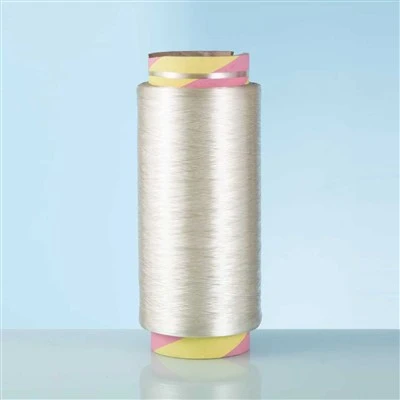
First, let’s set a baseline: fire-resistant (FR) clothing isn’t a set-it-and-forget-it piece of safety equipment. Unlike a hard hat that’s replaced when it cracks, FR fabrics work on molecular level. The material (think aramids like Kevlar or Nomex, or treated cotton blends) is engineered to self-extinguish when exposed to flame, creating a protective barrier between the wearer’s skin and heat. But every time the fabric is abraded, stretched, charred, or exposed to chemicals, that molecular structure weakens. A tiny 1mm tear on a sleeve might not seem like a big deal until that area is right in the path of a flash fire, and the heat seeps through the compromised barrier. So inspections can’t be a once-a-year afterthought—they need to be tailored to how the clothing is actually used.
Let’s start with the two core categories of wear that dictate inspection frequency: low-risk and high-risk environments. I define low-risk as jobs where FR clothing is worn as a baseline protection, not the primary defense. That might be administrative workers in a plant’s control room who put on FR shirts only when entering a production area occasionally, or utility workers doing routine line checks with minimal exposure to arc flashes or molten metal. For these workers, I recommend a weekly visual inspection paired with a quick tactile check. Why weekly? Because even gentle use—like brushing against a rusty metal railing, or folding the clothing incorrectly in a locker—can cause micro-abrasions that add up over time. I work with a large Midwestern auto parts plant that had 12 reported minor burns in 2021, all traced to fabric tears they’d missed during a once-monthly check. They switched to weekly inspections and cut that number to 1 burn in 2022. It’s a small change that had a huge impact, and it all started with showing their workers how to do a proper check.
Now, high-risk environments are where the stakes get real. These are the jobs where workers face consistent exposure to arc flashes, molten metal, open flames, or heavy abrasion—think structural firefighters, offshore oil rig workers, welders, or linemen performing live-line work. For these teams, inspections can’t be weekly; they need to happen every single time the clothing is worn, and a deep, formal inspection once per shift. Let me explain: every time a welder lays down a bead, there’s spatter that lands on their jacket. Even if they brush it off immediately, tiny amounts of that molten metal etch the FR fabric, creating microscopic holes that are invisible to the naked eye. A firefighter responds to a single structure fire and drags themselves over burning debris; that heat weakens the fabric’s fire resistance for weeks after, even if there’s no visible char. I recently trained a crew of volunteer firefighters in rural Ohio, and one told me he’d worn the same jacket for three years without a deep inspection. During a training burn, a flash fire burned through a 2-inch spot on his shoulder that he’d never noticed—because he’d only done a quick visual check at the start of the year. For high-risk teams, pre-use checks don’t have to take more than 60 seconds: run your hands over every seam, stretch the fabric gently to look for thin spots, check for charred edges or loose threads. And that formal deep inspection? We’re talking a 10-minute check after each shift, where you turn the garment inside out, look for discoloration from chemicals or heat, and test the fabric’s integrity with a small pull (no, not hard—just enough to feel if it’s thinner in any spot).
A common misconception I hear all the time is: “FR clothing should last for 5 years, so I don’t need to check it until then.” That’s a dangerous myth. The lifespan of FR clothing isn’t a fixed number—it’s entirely dependent on use, care, and maintenance. I’ve seen garments that lasted 2 years because they were used 10 hours a day, 6 days a week, for heavy industrial welding. And I’ve seen garments that lasted 7 years because they were only worn for quarterly training, laundered correctly, and stored properly. The biggest factor that shortens lifespan? Improper care. A lot of workers throw FR clothes into a regular laundry with bleach or fabric softener, which breaks down the FR chemical coating or weakens the fiber structure. Or they dry them on high heat in a regular dryer, instead of line-drying or using a low-heat setting. That careless use means a garment that should last 5 years is useless in 18 months, which means the risk of damage skyrockets. So inspection frequency is tied to care habits too—if you’re laundering garments at a commercial facility that specializes in FR gear, you might need fewer checks than if your workers are washing them at home in a standard machine.
What should you actually be looking for during inspections? Let’s make this actionable, not vague. I walk every client through this checklist when I deliver new garments:
First, visual checks: Look for any holes, tears, or snags, even tiny ones (a 1mm tear is enough to compromise protection). Check for charring, scorching, or discoloration that isn’t from dirt—if a spot looks brown or black without being washable, that’s heat damage. Seams are the most common weak point; if a seam is frayed or loose, it’s not holding the fabric together properly, so that area could split during exposure. For arc flash protection, look for any pitting or thinning of the fabric—arc flashes can cause tiny, unseen holes that lead to severe burns.
Second, tactile checks: Run your hands over the entire garment, paying extra attention to high-abrasion areas: elbows, knees, collars, cuffs, and the bottom hem. If the fabric feels thinner than it should, or if there’s a spongy or rough spot that’s different from the rest, that’s a sign of breakdown. Stretch the fabric gently in different directions—if it doesn’t spring back, or if it feels stiff and brittle, the molecular structure is weakened.
Third, laundering checks: After each wash, look for fading or loss of waterproofing (if your FR gear is also waterproof). A common issue is fabric softener residue, which coats the fibers and can make the FR material less effective. If you notice that after a wash, the garment feels stiffer or doesn’t repel water as well, that’s a red flag.
Now, what do you do if you find damage? The rule I teach is: if any part of the garment fails that check, replace that specific piece immediately. Don’t patch it—patching might seem like a cost-saver, but it creates a weak point that can fail during a fire or arc flash. I’ve seen a patched jacket that tore along the patch during a flash fire, leading to a third-degree burn. It’s not worth the risk. Some people will say, “It’s just a small tear, I can use it a few more times.” But that small tear is a ticking time bomb. For high-risk workers, even a single use with damaged FR gear is too many.
I also want to talk about storage, because that’s a part of inspection that a lot of people overlook. How you store your FR clothing affects how often it needs to be inspected. If you leave it crumpled in a toolbox, exposed to oil or chemicals, that’s going to cause damage faster than if you hang it in a cool, dry locker. I recommend inspecting garments every time you pull them out of storage before putting them on—even if it’s a week after the last use. For teams that store multiple garments, rotating sets so each garment gets time to air out (instead of being worn every day) can extend its lifespan, and that means fewer frequent deep inspections.
Let’s ground this in some hard data to back up what I’m saying. The National Fire Protection Association (NFPA) has strict standards for FR clothing, and their 2023 update to NFPA 2112 (Standard on Flame-Resistant Garments for Protection of Industrial Personnel Against Flash Fire) recommends pre-use inspections for high-risk applications and periodic inspections at least every 90 days for low-risk. Wait, that’s different from what I said earlier—why? Because NFPA sets minimum standards, not best practices. I’ve worked with clients who followed that 90-day rule, but still had incidents, because 90 days is too long for high-abrasion environments. The NFPA standard is a baseline, not a one-size-fits-all solution. I always tell clients to use the standard as a starting point, then adjust based on their specific job’s hazards. For example, a refinery worker who is exposed to molten metal every day needs daily pre-use and post-shift inspections, which is above the NFPA minimum, but that’s what keeps them safe.
I also can’t stress enough the importance of training workers on inspections. I’ve seen too many managers assign the task of checking garments to a safety officer once a month, but the person who is actually wearing the gear every day is the one who notices the tiny tear on the cuff. So training every worker to do their own pre-use check isn’t just a nice-to-have—it’s a critical part of the process. We host free, 15-minute training sessions for all our clients, walking workers through that simple visual and tactile check, so they feel confident in what they’re looking for. Last year, a lineman in Texas told me he found a 2mm tear on his jacket cuff during his pre-use check, just before heading out to repair a downed power line. That tear would have put him at risk of a severe arc flash burn, but because he knew to check, he avoided it.
Now, let’s address the cost angle, because I know a lot of managers will say, “More inspections means more time lost, more cost.” But the numbers don’t lie. The Occupational Safety and Health Administration (OSHA) reports that the average cost of a single burn injury in the workplace is over $150,000, including medical bills, lost productivity, and workers’ comp. That’s a huge cost, and it’s preventable with consistent, proper inspections. Investing 10 minutes a shift for inspections is far cheaper than paying for a medical bill and downtime after an incident. For example, a mid-sized construction company I work with in Illinois calculated that their weekly pre-use checks cost them about 2 hours a week total, but they saved over $200,000 in workers’ comp claims over two years. It’s not an expense—it’s an investment in safety.
So to wrap this up, here’s a clear, actionable guide that I give to every new client:
- Low-risk environments (occasional FR use, minimal abrasion): Weekly pre-use visual/tactile checks, plus a formal deep inspection every 3 months.
- High-risk environments (daily FR use, exposure to flame/arc flash/molten metal): Pre-use checks before every shift, a 10-minute deep inspection after every shift, and a full annual professional inspection by a certified technician.
- Immediate action: If any damage is found (tears, charring, thinning, loose seams), replace the garment right away—do not repair it.
- Complement inspections with proper care: Wash FR garments only with FR-safe detergent, avoid bleach and fabric softener, line-dry or use low heat, and store in a cool, dry place away from chemicals.
At the end of the day, fire-resistant clothing is only as good as its ability to protect you. A garment that’s damaged, even slightly, is no better than a regular cotton shirt when you’re facing a hazard. I’ve spent my career supplying FR gear because I believe every worker deserves to go home safe at the end of the day, and proper inspections are a huge part of that. If you’re a manager, safety officer, or frontline worker looking to audit your current inspection process, or you need help selecting FR garments built to withstand your specific hazards, I’m here to talk through your needs and find a solution that works for your team.
ALK PPS Diaphragm References
NFPA 2112: Standard on Flame-Resistant Garments for Protection of Industrial Personnel Against Flash Fire, National Fire Protection Association, 2023.
OSHA Fact Sheet: Burn Injuries in the Workplace, Occupational Safety and Health Administration, U.S. Department of Labor, 2022.
“Lifespan and Durability of Flame-Resistant Protective Clothing,” Journal of Occupational and Environmental Hygiene, Vol. 18, No. 4, 2021, pp. 187-195.
“Workplace Safety Incidents: The Cost of Preventable Burn Injuries,” Industrial Safety and Technology Report, 2023.
Jiangsu Jushuo New Materials Technology Co., Ltd.
Jiangsu Jushuo New Materials Technology Co., Ltd. is one of the most professional fire‑resistant protective garment material manufacturers and suppliers in China. With abundant experience, we warmly welcome you to buy bulk fire‑resistant protective garment material in stock here and get free sample from our factory. All customized materials are with high quality and competitive price.
Address: NO.5 Gangao Road, Free Trade Zone Zhangjiagang, Jiangsu, China.
E-mail: soleilzhao@dbfibre.com
WebSite: https://www.jushuotec.com/
