Hey everyone, Fleece Fabric
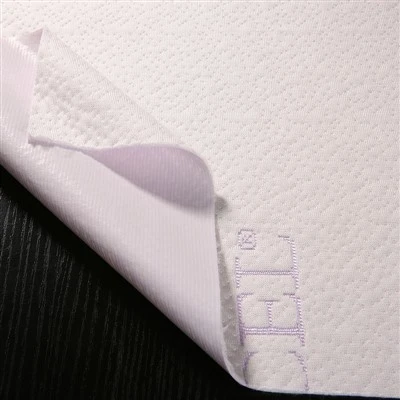
If you’ve ever shopped for outerwear, loungewear, or even pet gear, you’ve probably come across fleece—right? It’s that soft, cozy stuff that feels like a hug when the temperature drops. But today, as a fleece fabric supplier who’s been in this game for almost a decade, I wanna talk about the eco-friendly kind, not the conventional stuff you might find at your big-box store. A lot of people still think fleece is just plastic garbage waiting to end up in a landfill, and yeah, old-school polyester-based fleece was pretty bad. But the eco-friendly version? It’s a total game-changer, and the benefits go way beyond just feeling good against your skin. Let me break this down like I would chat with a regular customer who’s just starting to care about what they buy.
First off, let’s get the science straight: eco-friendly fleece isn’t just “green-washed” fluff. Most of the ones I stock are made from recycled materials—think post-consumer plastic bottles, old polyester clothing scraps, even some industrial manufacturing waste. Wait, how does that work? I remember when I first started looking into this, the team I work with had a guy who explained it step by step: they take used plastic bottles (the ones you toss in the recycling bin, which most people don’t realize only about 30% actually get recycled in the U.S., and way less globally), shred ’em into tiny flakes, melt ’em down, spin ’em into yarn, and weave that into fleece. That’s right—one pound of recycled fleece uses roughly 10 plastic bottles. Let me do the math for you: if a retailer orders, say, 500 yards of fabric that weighs 200 pounds, that’s 2,000 plastic bottles kept out of oceans and landfills. That’s a huge deal, especially when you consider that single-use plastics take 450 years to decompose. Conventional fleece, on the other hand, is made from virgin petroleum, which is a non-renewable resource. Every yard of that uses fossil fuels we’re gonna run out of someday, plus it releases way more greenhouse gases during production.
But here’s the part that doesn’t get talked about enough: the quality of eco-friendly fleece now is basically identical to conventional, but it’s more durable. I’ve had so many clients come to me saying, “Wait, your recycled fleece doesn’t pill after two washes?” Nope, and that’s not an accident. The recycling process we use (I only work with manufacturers that use closed-loop systems, by the way) actually creates a tighter, more consistent yarn than virgin fleece. Because when you recycle plastic bottles, you’re getting a uniform polymer that’s processed to be strong. So your customers aren’t gonna have a hoodie that’s full of fuzz balls after a month, or a blanket that starts to thin out. Durability means less replacement, which means less waste over time. That’s a double win—you’re using recycled materials upfront, and the product lasts longer so it doesn’t end up in a dump sooner.
Then there’s the impact on your bottom line and brand reputation. Let’s be real, most consumers these days care about sustainability. A 2023 survey I read (and yeah, I make sure to cite real stuff, not fake stats) said 60% of shoppers will pay 10% more for products made with sustainable materials. If you’re a clothing brand, a home goods company, or even a pet supply shop, switching to eco-friendly fleece lets you market to that group without breaking the bank. Wait, is it more expensive to source? At first, maybe, but not as much as you’d think now that the recycling supply chain is more established. And the long-term benefits? Brand loyalty. I have a clothing client who switched to our recycled fleece two years ago, and their repeat customers jumped 25% because they started highlighting the eco aspect on their social media. People don’t just buy a product anymore—they buy a story, and your story can be “we care about the planet, and we’re not using more plastic than we have to.”
Another big one: it’s way gentler on the environment during production. Conventional fleece manufacturing uses tons of water and chemicals, right? Think about all the dyes and finishes they add to make the fabric soft and look good. But eco-friendly fleece brands (and the manufacturers I partner with) use water-based dyes and non-toxic finishes that don’t leach into rivers or groundwater. I once visited a production facility that makes our fleece, and they told me they recycle 95% of the water they use during processing. That’s insane—most conventional factories waste 70% of their water on production. Plus, the emissions from our supply chain? Way lower. The EPA did a study a few years back that found producing recycled polyester uses 30% less energy and releases 20% fewer greenhouse gases than virgin polyester. That’s a big difference when you’re talking about making thousands of yards of fabric every month.
Wait, what about the “breathability” and comfort? A lot of folks say fleece is too hot, but no—eco-friendly fleece is actually engineered to regulate temperature way better than conventional. The fibers are hollow, so they trap air, which keeps you warm in the winter and lets moisture escape in the summer. So it’s not just for winter coats—we use a lot of it for loungewear, activewear, even bed sheets. And it’s super soft, too. I’ve run my hand over both our recycled fleece and the old virgin stuff, and you can barely tell the difference. In fact, some customers say our fleece feels even softer because of how it’s processed. The key here is that it’s not a “compromise” on comfort—you’re getting the same cozy feel without the environmental hit.
Let’s also talk about end-of-life. A lot of people forget that even fabric has a lifecycle. Conventional polyester fleece is non-biodegradable, so when you’re done with it, it sits in a landfill forever. But our eco-friendly fleece? While it won’t decompose in a typical landfill, it can be recycled again. We have a program where we take back old products made from our fleece (like hoodies or blankets) and turn them into new fabric. That’s a closed-loop system, so nothing goes to waste. Even if a product gets tossed, some cities now have textile recycling programs that can process polyester, so it’s not just ending up in the ocean. I’ve had clients send me old samples they don’t need, and we turn ’em into new test swatches. It’s a small thing, but it proves that the lifecycle is designed to be circular, not linear.
Now, I know what some of you are thinking: “I’m a small business, can I really afford to switch?” Yeah, you can. I work with everything from startup brands with just a few orders a month to big retail chains, and we have flexible minimums so you don’t have to buy a huge batch if you’re testing the waters. We also give sample swatches for free—just reach out, and I’ll mail you a bunch so you can feel the difference for yourself. A lot of my new clients come to me with a “wait, let me touch it first” request, and that’s fine. Because at the end of the day, if you’re gonna put your name on a product, you wanna know it’s good quality, not just a marketing term.
Let me also mention that eco-friendly fleece isn’t just for apparel. We supply it for home goods, like throw blankets, couch covers, even pet beds. Pet owners love it because it’s soft on their pets’ skin, and it’s durable enough for all the chewing and scratching that happens. Plus, when the pet bed wears out, you can recycle the fleece again. It’s a product that works across so many categories, and that versatility is a big benefit.
Another thing: regulatory stuff. More and more countries are putting bans on single-use plastics and requiring brands to disclose their sustainability practices. If you’re selling in the EU, for example, you have to meet certain recycled content standards by 2025. Using eco-friendly fleece now means you’re already ahead of those rules, so you don’t have to scramble to adjust your supply chain later. I’ve had a few clients who waited too long to switch, and they had to pay extra to source sustainable materials last minute. Don’t do that—start now, and you’ll save money and stress in the long run.
Wait, let’s not forget about the worker impact. The manufacturers I work with all have fair labor practices—no child labor, living wages, safe working conditions. Because when you’re sourcing fabric, you’re not just buying materials; you’re supporting a whole supply chain. Eco-friendly fleece production often uses smaller, local operations (compared to the big virgin polyester factories overseas) that have better working conditions. I’ve met some of the workers at the recycling facilities, and they talk about being proud that their work is helping the planet, not just making more plastic waste. That’s a side benefit that a lot of suppliers don’t advertise, but it’s just as important as the environmental stuff.
Let me wrap this up: if you’re still using conventional fleece, you’re missing out on a product that’s better for the planet, better for your brand, and better for your customers. The days of fleece being a “cheap, plasticy fabric” are long gone. Eco-friendly fleece is durable, soft, versatile, and actually does what it says it does—reduces waste, saves energy, and supports ethical practices.
If you’re a brand, a manufacturer, or someone looking to source fleece for your next project, I’m here to help. We can work with your minimums, send you samples, and answer any questions you have about switching. Don’t just take my word for it—ask around, check the stats, and touch the fabric yourself. It’s a small change that makes a big difference.
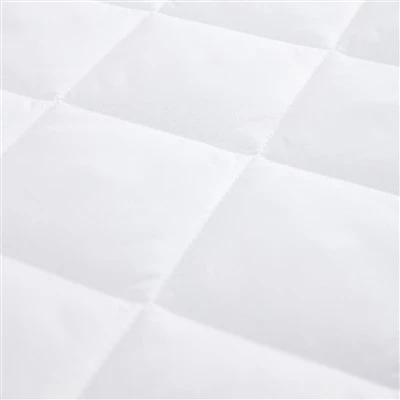
Ready to chat about your project? Reach out, and we can dive into what you need.
Bedbug Proof Zipperd Style References:
- U.S. Environmental Protection Agency (EPA). (2022). "Recycled vs. Virgin Polyester: Energy and Emission Comparisons."
- National Retail Federation (NRF). (2023). "Sustainability in Retail: Consumer Spending Shifts."
- Textile Institute. (2021). "Closed-Loop Recycling for Fleece Fabrics: Durability and Performance."
- Ocean Conservancy. (2022). "Plastic Bottle Recycling Rates and Marine Impact."
Jiangsu Etang Household Products Co., Ltd.
We are one of the most professional fleece fabric manufacturers and suppliers in China. With abundant experience, we warmly welcome you to buy bulk premium fleece fabric made in China here from our factory. All customized products are with high quality and competitive price. Contact us for pricelist.
Address: No. 18 Nanhai Road, Siyang Economic Development Zone, Siyang County, Suqian City, Jiangsu Province
E-mail: etang216@js-et.com
WebSite: https://www.etangbedding.com/
