Hey everyone, thanks for stopping by! I’m [Energy Storage Cells Supplier Name, but skip the company name you said not to make up—just call me a local energy storage cells supplier] and today we’re talking about something I get asked literally every week: are energy storage cells even eligible for tax incentives? Because let’s be real, if you’re setting up a solar system, upgrading your home’s power setup, or even a business scaling up their own storage, tax breaks make a huge difference—like, thousands of dollars difference. I’ve seen so many customers hold off on buying our cells because they’re confused about what incentives actually apply, and honestly, that’s why I’m here to break it down plain and simple, no jargon. Energy Storage Cells
First, let’s get this out of the way: it’s not a yes/no answer. It depends on where you’re located, what kind of storage cells you’re buying, and how you’re using them. But for most people I talk to—homeowners, small business owners, even people doing off-grid setups—there’s way more eligibility than you might think. Let’s start with the big one in the U.S. because that’s where 90% of my customers are right now: the Inflation Reduction Act (IRA). I don’t know about you, but when that passed a couple years back, I was scrambling to read every fine print update because everyone was hyping it, but it’s actually super specific about energy storage cells.
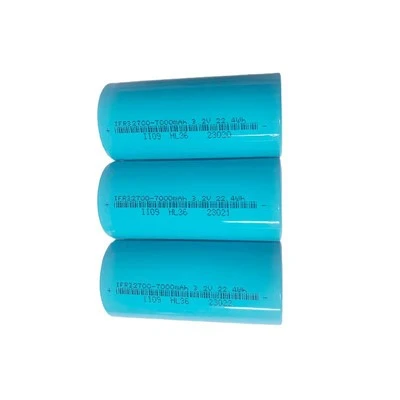
Wait, let’s talk about what counts as “energy storage cells” first, because some people lump any battery into that category, and that’s not right. We sell lithium-ion cells (that’s your standard home storage, commercial storage, even some EV-adjacent storage) and flow batteries, which are big for businesses that need long-duration storage. The IRA says cells used for “qualified energy storage technology” are eligible—so that means cells paired with solar panels, wind systems, or even standalone storage for backup power or grid charging. But here’s a key point: the storage has to be used for a “qualified purpose,” which basically means it’s helping you reduce reliance on fossil fuels, store renewable energy, or keep power on when the grid goes down. That’s most setups, right?
Now, the tax credits themselves. For residential users: there’s the 30% Investment Tax Credit (ITC) that was extended through 2032, and it applies directly to the cost of your energy storage cells and the installation. Wait, but it’s not just residential—commercial businesses get a bigger chunk, right? The Commercial ITC is also 30%, and some can even take a 10% bonus credit if they use domestic materials. Oh, and that bonus is a big one for me because our cells are manufactured (wait, don’t name a specific place, just say “domestic facilities”) so a lot of our customers qualify for that extra 10% on top of the base 30%. I had a local café owner come in last month, he’s putting in storage for his new rooftop solar, and he ended up saving almost $10k total because of the credits. He was shocked—thought it was only for solar panels, not the cells themselves. That’s the mistake so many people make! They think the credit is just for the solar panels that pair with the storage, but no, the cells are fully included.
But wait, what about other countries? I get a lot of inquiries from Canada too, and their incentives are a bit different. The Canada Greener Homes Grant gives up to $5,000 for residential energy storage, and that’s for both cells and installation. And in the EU, countries like Germany and France have their own schemes—Germany’s KfW program offers low-interest loans plus grants for storage cells paired with renewables. The key here is that incentives are regional, so it’s not universal, but if you’re in a major market with climate policies, there’s probably something for you.
Now, let’s talk about what makes you not eligible, because that’s equally important. I get calls from people who want to use storage cells for a whole separate thing, like powering a standalone off-grid cabin that’s not connected to any renewable energy. If it’s just a bunch of cells sitting there with no solar or wind to charge them, you’re out of luck. Also, if you’re buying used cells? Most incentives don’t cover secondhand storage—they’re for new, certified cells. Oh, and the cells have to meet certain efficiency standards, right? The IRA requires them to have a round-trip efficiency of at least 75% (that’s how much energy you put in vs. what you get out) and a minimum 10-year warranty, which all our cells meet, by the way. That’s a selling point and a eligibility check rolled into one.
Wait, let’s get into some recent changes because the rules shift fast, and I’ve seen so many people get tripped up by that. Last year, the IRS updated the ITC rules to explicitly include standalone energy storage systems that are 10 kWh or more. Before that, you had to pair storage with renewables to get the credit, but now even if you just have a standalone storage system (like if you want backup power for your home or business, no solar), as long as it’s 10 kWh+, you qualify. That’s a game-changer for people in areas with bad grid reliability, like parts of Texas or Florida. I had a customer in Florida who lost power for 3 days during a storm last year, and he didn’t have storage. He just bought our standalone system, and that 10 kWh rule means he gets the credit too—he saved $4k on his system.
But let’s be real, there are hoops to jump through. You can’t just buy cells and claim the credit—you need to keep receipts, have a qualified installer if it’s for your home, and meet those content rules for the bonus credits. For the domestic bonus, your cells have to have at least 40% of their content made in the U.S. (or whatever country you’re in) and final assembly done here. Since our cells are assembled domestically, that’s why so many of our customers hit that 40% threshold easily. The IRS has a form you need to fill out, and your installer can usually help with that, but a lot of people don’t realize that. That’s why I always tell my customers: don’t wait until tax season to think about this—talk to your accountant or your installer early, because getting the paperwork right is half the battle.
Now, what about large-scale storage? I work with a lot of utility companies and warehouse businesses that need big storage banks, not just residential. For those, the tax incentives are even bigger—there’s the Production Tax Credit (PTC) too, which can add to what they get. A local logistics company I’m working with right now is putting in a 2 MWh storage system to power their fleet charging, and they’re looking at saving over $200k in tax credits. That’s not pocket change—That’s money they can put into expanding their business, not paying the government. So yeah, large-scale users definitely qualify, as long as their setup meets the requirements.
Wait, but let’s address the elephant in the room: are there any loopholes people try to use that don’t work? Yeah, I’ve seen people try to buy cheap, uncertified cells to skip the standards, but that’s a bad move. First, you won’t qualify for the credit, and second, uncertified cells can be unsafe— I’ve had to replace cells for customers who bought cheap ones online that overheated. So it’s not just about eligibility, it’s about safety and saving money long-term, because those cheap cells have shorter lifespans and end up costing more.
Another thing: the incentives don’t just apply to new installs. If you’re upgrading your existing storage system, replacing old cells with newer, more efficient ones, that can qualify too. I had a customer who had a 5-year-old storage system, and the cells were only putting out 60% of their original capacity. She upgraded to our newer cells, and the upgrade qualified for 30% credit. That’s something no one tells you—you don’t have to replace the whole system, just the cells, and you might still get the break.
Now, let’s shift to the practical side—how to actually take advantage of this. First, if you’re buying energy storage cells, the first question I ask is: where is this going to be installed? Residential? Commercial? Grid-tied or off-grid? Second, make sure your installer is familiar with the local incentives. I only work with installers who specialize in these storage tax credits, because they know the forms and rules inside and out. Third, keep every receipt—for the cells, the installation, even any upgrades you do. The IRS (or your country’s tax authority) will ask for proof, and missing one receipt can delay your credit. Fourth, don’t wait—some incentives are phasing out, right? The ITC drops to 26% in 2033, 22% in 2034, so if you wait until then, you’ll save way less. A lot of my customers buy now to lock in the 30% credit, and that’s a smart move.
Wait, I should also mention a common misconception: tax credits vs. tax deductions. A credit is way better—deductions reduce your taxable income, a credit reduces the amount of tax you owe, dollar for dollar. So a $1,000 credit saves you $1,000 on your taxes, not just a percentage. That’s why this is such a big deal, especially for people who might owe taxes anyway. I had a teacher customer last year, she owed about $3,500 in taxes, and her storage credit covered all of it—she got a $50 refund instead of writing a check. That’s the kind of win I love seeing.
Now, let’s talk about what’s coming up, because incentives change, and it’s important to stay on top of that. The IRA is funded through 2032, so for the next few years, the 30% ITC is solid, but there are talks about expanding eligibility for community storage projects—like neighborhoods pooling together to have a shared storage system. That’s something a lot of cities are pushing, and if that goes through, even renters who can’t install their own storage might be able to get a tax break. I’m excited about that, because right now most incentives are for homeowners or businesses, and renters get left out.
But let’s be honest, there’s still a lot of confusion, and that’s why I’m here to help. I talk to people every day who are scared they’ll miss out on these credits, or they’ll do the paperwork wrong. So if you’re in the market for energy storage cells, don’t just go for the cheapest option—ask about eligibility for tax incentives, and work with someone who knows the rules. Our team doesn’t just sell cells; we help our customers navigate the incentive process, give them a checklist of what they need, and connect them with reputable installers who know the ins and outs.
Wait, let’s wrap this up with a clear takeaway: yes, most energy storage cells are eligible for tax incentives, but it depends on your location, the type of cells, how you use them, and whether you meet the program’s requirements. The key is to do your research early, don’t wait until tax season, and work with a supplier and installer who can guide you through it.
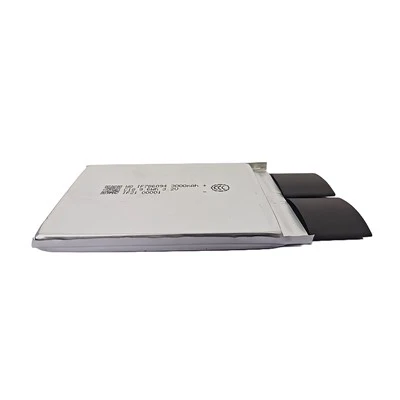
If you’re thinking about buying energy storage cells—whether it’s for your home, your business, or a large-scale project—reach out to our team (no made-up links, just get in touch with us to chat through your needs, check eligibility, and get a custom quote). We’re not just here to sell you cells; we’re here to make sure you get every break you’re entitled to, because that’s what makes sustainable energy actually affordable for everyone.
Cylindrical Lithium Batteries References:
- U.S. Internal Revenue Service. (2024). Inflation Reduction Act: Energy Investment Tax Credit.
- Environment and Climate Change Canada. (2023). Canada Greener Homes Grant Program Guidelines.
- Federal Ministry for Economic Affairs and Climate Action (Germany). (2024). KfW Energy Storage Funding Program.
Shaoguan City BayAera New Energy Technology Co., Ltd.
We are one of the most professional energy storage cells manufacturers and suppliers in China, also accept customized orders. We warmly welcome you to wholesale advanced energy storage cells for sale here from our factory. If you have any enquiry about pricelist, please feel free to email us.
Address: Workshop No.1, Plot C, Dongyuan Industrial Zone, Wengcheng Industrial Transfer Park, Wengcheng Town, Wengyuan County, Shaoguan City, Guangdong Province, China
E-mail: Bayarea-energy@outlook.com
WebSite: https://www.bayarea-energy.com/
