What’s up, folks? If you’ve ever stepped foot in a chemical plant, a water treatment facility, or even a pharmaceutical lab, you’ve probably walked past a big, clunky machine that looks like it’s doing most of the heavy lifting—but never stopped to ask, “What even is that thing?” More often than not, that’s a process chemical pump, and it’s the unsung hero of thousands of industries that rely on moving hazardous, tricky fluids around safely and efficiently. As a chemical pump supplier who’s been in this game for over a decade, I’ve seen way too many teams mess up their operations because they didn’t pick the right pump for the job, so let’s break this down like I would to a new customer who just walked into my shop. Chemical Pump
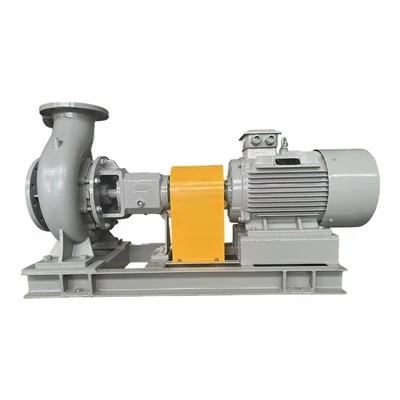
First off, let’s get the basics right: a process chemical pump isn’t your run-of-the-mill sump pump you use to drain your flooded basement. That thing moves water, sure, but it’s built for simple, non-corrosive stuff. A process chemical pump? It’s engineered specifically for handling liquids that are, well, process chemicals—think acids, bases, solvents, slurries, even highly toxic or volatile fluids that would eat through a regular pump in days, if not hours. And here’s the kicker: it’s not just “moving stuff” for the sake of it. These pumps are part of a closed, critical system—like in a petrochemical refinery where a leak could lead to a disaster, or in a food and beverage plant (wait, yeah, they use these too for things like flavor extracts and food-grade acids) where cross-contamination is a death sentence for their product.
Let’s talk about what makes these pumps different. First, materials matter. If you’re pumping 98% sulfuric acid, casting a pump out of regular cast iron? That’s a joke—it’ll rust through before you finish your shift. That’s why we build most of our process chemical pumps from materials like 316 stainless steel, Hastelloy, or even exotic plastics like PVDF or PTFE. Those materials don’t react with the chemicals, so the pump doesn’t break down, and the chemicals don’t get contaminated. I’ve had guys come to me after burning out a cheap pump that leached metal into a batch of pharma ingredients—cost them hundreds of thousands in wasted product, not to mention regulatory fines. Cheap isn’t cheap here, that’s a rule I repeat every single day.
Next, sealing systems. This is where so many folks go wrong. A regular pump uses a simple mechanical seal to keep fluid inside, but if you’re pumping something volatile like gasoline or hydrofluoric acid, a tiny seal leak is a major safety hazard. We offer two main sealing options for our pumps: mechanical seals for non-toxic, low-pressure applications, and magnetic drive seals (also called mag drives) for everything else. Mag drive pumps don’t have a rotating shaft that sticks out of the pump housing—instead, a magnet outside the housing spins the impeller inside, so there’s no way for fluid to escape. No leaks, no mess, no risk of exposing workers to dangerous stuff. I’ve seen mag drive pumps run 5+ years without a seal replacement, versus the old sealed pumps that needed service every 3 months. That’s not just convenience—that’s peace of mind.
Now, how do these pumps work, exactly? Let’s keep it simple, no engineering degree required. Most process chemical pumps fall into two categories: centrifugal and positive displacement. Centrifugal pumps are the workhorses—they use an impeller (that’s the curved blade thing inside) to spin fast, creating centrifugal force that flings fluid out of the pump and into the pipe. They’re great for moving large volumes of low-to-medium viscosity fluids, like water-based chemicals or light solvents. Positive displacement pumps, on the other hand, move fluid by trapping a fixed amount and pushing it along—think of a piston in a syringe, pulling up liquid and pushing it out. These are better for thick, viscous stuff like slurries (think paper pulp or sludge) or high-pressure applications, like injecting chemicals into a reactor. For example, if you’re pumping a thick, gritty slurry from a mining operation, a centrifugal pump will just clog and break—you need a positive displacement pump, and that’s what we stock in bulk.
Wait, let’s not forget about viscosity and temperature. If a fluid is as thick as molasses, a centrifugal pump won’t move it fast enough—you need a different design. And if you’re pumping something hot, like 200°C molten salt, the pump can’t expand and warp, so we use materials that can handle high temps without warping. I once had a customer who tried to use a regular water pump to move hot caustic soda—by the end of the shift, the pump casing was cracked, and he had a huge mess on his hands. That’s the kind of mistake we help people avoid before they even buy.
Who uses these pumps, anyway? Let’s rattle off a list because it’s way more than you might think. Petrochemical refineries, obviously—they move crude oil, gasoline, and all the intermediate chemicals. Pharmaceutical manufacturers: they pump raw materials, solvents, and even finished drug ingredients through their production lines. Water treatment plants: they pump chlorine, flocculants, and other treatment chemicals into municipal water supplies. Food and beverage: as I mentioned, they use food-grade pumps for things like citric acid, flavorings, and even edible oils. Mining operations: they move slurries of ore and chemicals used to extract metals. Even semiconductor factories—those tiny chips we all use require super-pure chemicals, and any contamination would ruin millions in product, so their pumps have to be hyper-clean.
Now, here’s the thing that most people don’t realize: a process chemical pump isn’t a one-size-fits-all product. You can’t just walk in and say “I need a pump” and pick the cheapest one off the shelf. You have to ask the right questions: what chemical are you moving? What’s its temperature? What’s the pressure in your system? How much fluid do you need to move per minute? Are there safety regulations you have to follow (like OSHA in the US or REACH in the EU)? I’ve had guys come to me with a pump they bought online for $500, only to find out it can’t handle the 50°C acid they’re using—so they wasted $500, and now their whole process is down. That’s why we don’t just sell pumps; we help people figure out exactly what they need, no pushy sales tactics, just real advice from folks who’ve been doing this for years.
Let’s throw in a quick real-world example to make this click. A few months back, a small paint manufacturer hit me up. They were using a regular centrifugal pump to move their liquid pigment, which is a thick, corrosive slurry. The pump kept clogging, and the seals were leaking pigment all over their shop. We recommended a magnetic drive, PVDF-lined positive displacement pump—perfect for thick, corrosive slurries. They installed it, and three months later, they texted me saying they haven’t had a single clog or leak, and their downtime dropped by 80%. That’s the kind of win we live for. No fancy jargon, just a pump that works when you need it.
Another point: maintenance. A process chemical pump is a big investment, so you want it to last. We provide easy access to replacement parts, and we even offer on-site maintenance services for our regular customers. But here’s a pro tip: check your pump’s seal and impeller every 6 months, depending on how hard it’s working. I’ve seen a small seal leak turn into a $10,000 cleanup job because no one checked it. It’s not hard, just a quick inspection. And if you’re not sure, give us a call—we’ll tell you what to look for.
Now, let’s clear up some common myths. First myth: “All process pumps are the same.” No, way. A pump made for acid won’t work for oil, and a pump made for oil won’t work for food-grade stuff. Second myth: “The more expensive, the better.” Not always—if you’re moving plain water, a cheap centrifugal pump will work fine, but if you’re moving hydrofluoric acid, you have to spend the money on the right material and sealing. Third myth: “I can fix a pump myself.” Unless you’re a certified pump technician, don’t try. Mixing up a seal size or a material can lead to leaks, failures, and safety risks. That’s what we’re here for.
So, if you’re a plant manager, a maintenance tech, or someone who just needs to move tricky fluids without the hassle, process chemical pumps are non-negotiable. They’re not the flashiest piece of equipment in your facility, but they’re the ones that keep your operations running, keep your workers safe, and keep your product from being ruined.
At the end of the day, this isn’t just selling a pump—it’s making sure your system doesn’t shut down unexpectedly, that you don’t have to waste money on wasted product, and that everyone goes home safe at the end of the shift. If you’re tired of dealing with pumps that break, leak, or just don’t do what you need, hit us up for a chat. We’ll ask you the right questions, show you what fits your needs, and even help with installation if you want. No pressure, no weird contracts, just straight talk about what works.
Don’t let your operations be held back by a bad pump. Let’s get you set up with something that runs as smooth as your process deserves.
Sewage Pump References
- Karassik, I. J., Messina, J. P., Cooper, P., & Heald, C. C. (Eds.). Pump Handbook, 5th Edition. McGraw-Hill Education.
- American Petroleum Institute (API). Standard 610: Centrifugal Pumps for Petroleum, Petrochemical, and Natural Gas Industries.
- National Fire Protection Association (NFPA). Standard 70: National Electrical Code, Article 500 (Hazardous Locations).
- Plastic Industry Association of America (PIA). Guide to PVDF and PTFE for Corrosive Fluid Handling.
- Occupational Safety and Health Administration (OSHA). Process Safety Management of Highly Hazardous Chemicals, 29 CFR 1910.119.
Zhejiang Kaicheng Pump Valve Co., Ltd.
Zhejiang Kaicheng Pump Valve Co., Ltd. is one of the most professional chemical pump manufacturers and suppliers in China, also supports customized service. We warmly welcome you to buy advanced chemical pump made in China here and get quotation from our factory. For price consultation, contact us.
Address: No.501 Zhangbao North Road, Dong ou Industrial Park, Oubei town, Yongjia, Zhejiang Province, China
E-mail: sales@cnkcmp.com
WebSite: https://www.kcmpumps.com/
