If you’ve ever bought a pair of running shoes or a new laptop, you probably took a minute to scroll through the return policy before checking out. But when it comes to medical wearable devices — things like continuous glucose monitors (CGMs), heart rate patches, or smart watches designed specifically for health tracking — the rules aren’t the same as your average tech gadget. As someone who runs Medical Wearable Solutions, I get this question all the time: “Wait, can I return this if it doesn’t work for me?” The short answer? It’s not as straightforward as Amazon’s 30-day return window, and there are a few key factors that make medical wearables different. Let me break this down like I would to a customer sitting across my desk — no jargon, no fine-print confusion. Medical Wearable Solutions
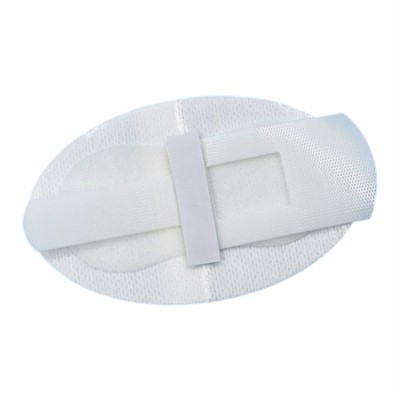
First, let’s start with why medical wearables have stricter return guidelines. These aren’t just toys; they’re regulated by the FDA (in the U.S.) and similar health authorities around the world, which means they’re classified as Class I, II, or III medical devices depending on what they do. A CGM, for example, is a Class II device because it helps manage a chronic condition like diabetes, so it has to meet specific manufacturing standards to be safe and effective. That’s why you can’t just return a used sensor after you’ve worn it for a week — once it’s been opened or used, it’s no longer sterile or safe for another patient to use. Even the packaging is designed to keep the device free from contaminants, so a returned used unit would compromise quality for the next person. That’s a non-negotiable point for us at Medical Wearable Solutions; we can’t risk sending a used, potentially tampered-with device to someone who depends on it for their health.
Now, let’s talk about the scenarios where returns actually do make sense. A lot of people assume if a device doesn’t work for their lifestyle, they can send it back — and that’s true in some cases, but only if it’s unopened and unused. For example, if you ordered a 10-pack of heart rate monitors for a clinical study and you only needed 5, as long as the other 5 are still sealed in their original packaging, no scratches, no labels removed, we can process a return within 15 days of delivery. We get this a lot from small clinics that over-ordered for a patient trial, or from people who accidentally bought the wrong size (like a too-big insulin pump patch) before opening it. That’s the sweet spot for returns for medical wearables: unused, unopened, within the return window.
But what if the device is broken? That’s another story. If you’ve used it for a few days and the sensor stops reading your glucose levels, or the heart rate patch cuts out mid-use, that’s a defect — and we absolutely cover that. Here, though, the process is different from a standard return. You can’t just box it up and send it back; we need to run a diagnostic check to confirm it’s not user error (like if you forgot to charge the monitor, or it fell off and got damaged). We’ll ask you to send a quick video of the device not working, plus a photo of the packaging and your order number, so our tech team can troubleshoot. If it’s a genuine manufacturing defect, we’ll either send a replacement right away or issue a full refund — no hoops to jump through once we confirm the issue. We don’t want someone with diabetes to be without their CGM for even a day, so we prioritize these defect cases over anything else.
There’s one big exception that trips a lot of people up: prescription-based medical wearables. A lot of these devices, like CGMs or continuous blood pressure monitors, require a doctor’s prescription because they’re meant to manage specific health conditions. That changes the return rules entirely. Once a prescription is involved, the FDA classifies the device as a “prescription-only medical device,” which means we can’t resell it once it’s been prescribed to a patient. Why? Because the prescription is tailored to their health needs, and the device is often shipped directly to a patient after a doctor approves it. For these, we almost never accept returns once the device is opened or used — even if you decide you don’t want it. That might sound harsh, but it’s about patient safety. If a patient’s doctor prescribed a CGM, we can’t sell that same unit to another patient, because it’s associated with a specific medical record, and the sensor’s calibration is set for that individual. We’ll work with you and your doctor if there’s an issue with the prescription, though — for example, if your doctor decides a different model is better, we can process a refund for the unused, unopened prescription units.
I’ve seen a lot of frustration around this, especially from people who compare medical wearables to their regular Fitbit, which lets you return it within 30 days no questions asked. The thing is, a regular Fitbit isn’t a medical device — it’s a consumer product. The return rules are designed around that: consumer goods can be resold, but medical devices can’t once they’re interacted with, because of health and safety regulations. At Medical Wearable Solutions, we’re not just selling a gadget; we’re supporting people who rely on these devices to stay healthy, so we have to follow those rules to keep everyone safe. That’s why we’re transparent about this from the start — we list our return policy on every product page, and our customer service team is trained to explain it clearly, not hide it in fine print.
Another point I get asked a lot: what about extended returns for trial periods? A lot of patients want to test a CGM for a month to see if it works with their daily routine, like if they exercise a lot or wear tight clothes that might interfere with the sensor. We offer a 30-day trial period for prescription devices, which is longer than the standard return window, but there’s a catch. During that trial, you have to use the device as directed, and if you decide it’s not for you, you have to send back all unused sensors and the monitor itself. We’ll refund you for the unused portion, but the used sensors can’t be returned. That makes sense because once you use a sensor, it’s expired for medical use — even if it’s only been a day. We worked with our regulatory team to make this trial period fair, because we know picking the right medical wearable is a big deal, and everyone’s needs are different.
I’ll be honest, there are times when the return policy feels restrictive, but we’ve found that it’s the right balance between customer flexibility and safety. A few years ago, we had a customer who tried to return a used CGM because they didn’t like how it looked on their arm. We explained that because it was opened and used, we couldn’t resell it, but we offered a 20% discount on their next order and connected them with a smaller, more discreet sensor that fit their needs. They ended up being a repeat customer, and that’s the kind of solution we focus on — not just following rules, but helping people find what works for them.
What if you have a question that’s not covered here? That’s where our team comes in. We don’t want anyone to guess whether they can return a device, so we make it easy to reach out via phone, email, or even live chat on our site. When you contact us, we’ll ask for your order number, what device you have, and why you want to return or exchange it — no complicated forms, no automated responses. We’ll walk you through the process step by step, whether that’s confirming if your device is still unopened, arranging a diagnostic test for a defect, or discussing your trial period options.
If you’re a clinic or hospital looking to bulk order medical wearables, we have a separate return policy tailored to your needs too. We understand that bulk orders can sometimes have unexpected changes — like a study getting delayed, or a patient count going down — so as long as the devices are unopened, unused, and in their original packaging, we can process returns within 30 days of delivery. We’ve worked with dozens of small and large healthcare providers to adjust our policies to fit their needs, because we know their work is about helping patients, just like ours.
At the end of the day, the return policy for medical wearables is all about two things: safety and fairness. We can’t take risks with devices that are used to manage serious health conditions, and we don’t want to leave anyone stuck with a device that doesn’t work for them. That’s why we’re always updating our policy to make it as customer-friendly as possible, while staying compliant with all health regulations.

If you’re considering ordering a medical wearable, or you have questions about our return process, we’d love to chat with you. Whether you’re a patient looking for the right device, a clinic needing bulk supplies, or just curious about how medical wearables work, our team is here to help you navigate every step — no confusing jargon, no hidden fees, just straight answers. Reach out to our procurement team to discuss your specific needs, and we’ll make sure you get the support you deserve.
Medical Silicone Gel Adhesive References
- U.S. Food and Drug Administration. (2022). Regulation of Medical Devices.
- International Organization for Standardization. (2021). Medical Devices: Quality Management Systems.
- Centers for Medicare & Medicaid Services. (2023). Coverage of Durable Medical Equipment.
- Medical Wearable Solutions Internal Quality and Compliance Report. (2024).
Shenzhen Omori Biological Technology Co., Ltd.
We’re well-known as one of the leading medical wearable devices manufacturers and suppliers in China. We warmly welcome you to wholesale high quality medical wearable devices made in China here from our factory. If you have any enquiry about customized service, please feel free to email us.
Address: Floor4, No43, Langkou Industrial park, Dalang Street, Longhua District, Shenzhen City, Guangdong Province, China
E-mail: wya@omorimed.com
WebSite: https://www.omorimed.com/
