If you’ve ever scrolled through men’s skincare feeds, you’ve probably seen one (or a dozen) takes on skin whitening. Some guys swear by it to even out post-acne redness, sun spots, or that dull, uneven tone that creeps up no matter how much sunscreen you slather on. Others roll their eyes, thinking it’s just another “beauty myth” targeted at women—like it’s some fancy term for bleaching, or too harsh for thicker men’s skin. As a supplier of whitening peptides, I get so many questions about this exact thing: Are these little powerhouse ingredients actually worth it for guys, or are we overcomplicating something that boils down to “just stay out of the sun”? Whitening Peptide

Let’s cut through the noise first—no fancy jargon, I promise. Whitening peptides aren’t the same as those old-school, harsher skin lighteners (think hydroquinone, which a lot of guys steer clear of because of irritation or long-term scares). Peptides are tiny protein fragments that signal your skin to do specific, helpful things, and the whitening kind work by gently calming down melanin production—melanin is the stuff that gives skin its color, and when it overproduces (thanks to sun, friction, post-acne healing, even shaving nicks), you get dark spots, uneven tone, or that patchy look around your jawline and temples. That’s the same stuff that affects men’s skin just as much as women’s, by the way—we just might not talk about it as openly.
Wait, let’s talk about men’s skin first, because that’s a big part of why this works so well for a lot of us. Guys’ skin is usually 20-30% thicker than women’s, right? And it produces more sebum (that’s the oily stuff that clogs pores) and has a slightly lower pH balance. The barrier is tougher, but it also tends to get more inflammation from things like daily shaving, sun exposure during weekend hikes or sports, and even that extra friction from work gloves or backpack straps. A lot of over-the-counter brightening products on the market are either too thin to penetrate that thicker skin, or packed with harsh alcohols or fragrances that sting post-shave or dry out the area around your beard line. That’s where peptides hit different—they’re small enough to get past the tough outer layer, but gentle enough that even guys with sensitive post-shave skin don’t get that red, stinging reaction.
I’ve had so many conversations with guys who came to us frustrated. Like, the 32-year-old client who works construction—he’d been using a cheap drugstore brightening cream for 6 months to fade the dark spots on his forehead from years of not wearing a hat, and it did nothing but make his skin feel tight and flaky. He switched to one of our peptide-infused serums, used it once a day after cleansing, and after 8 weeks, he texted me saying his foreman asked if he “got a tan on vacation” instead of just burnt spots. Another one was a 26-year-old guy who struggled with post-acne hyperpigmentation along his jawline—he’d tried vitamin C serums, which are great, but they oxidize super fast and leave a sticky orange tint that’s impossible to hide under beard trim. Peptides don’t do that. They work gradually, no weird staining, and for his thicker jaw skin, they actually seeped in way better than the vitamin C stuff he was wasting money on.
But wait—let’s be real, it’s not for every guy. I get why there’s hesitation. Some guys think “whitening” is some sort of harmful practice, or that it’s trying to change the natural color of skin. Let’s clarify that right now: whitening peptides don’t lighten skin overall. They fade the dark spots and uneven patches, bringing your skin back to its natural, even tone—like, if your natural tone is medium olive, it won’t make you pale, it’ll just get rid of that dark spot on your cheek from when you messed up a shave last summer, or that sun patch on your neck from days spent playing beach volleyball. That’s a key point a lot of brands don’t emphasize, and it’s why so many guys write it off before giving it a shot.
Another common myth: peptides take forever to work. No, not really. Yeah, you won’t see results overnight, but that’s true of most skincare that actually works. The 8-week mark is when most guys start noticing a difference—faded spots, less dullness, even skin tone. It’s not like those “instant brightening” wipes that just cover up dark spots for an hour. It’s actual, long-term improvement that sticks as long as you keep using it (and stay on top of sunscreen, obvi—sun is still the #1 cause of dark spots, no matter what ingredients you use).
Now, what makes peptides better than other brightening options for guys? Let’s compare real quick, no bias (I swear, I supply peptides, but I’ll tell you the real stuff). Hydroquinone is effective but can irritate post-shave skin, and some guys avoid it because of concerns about long-term use. Vitamin C is great, but it oxidizes quickly, needs to be stored in dark bottles, and stains—we’ve had so many guys send us DMs saying they ruined their favorite hoodie with orange serum. Niacinamide is solid, but for really stubborn dark spots from sun or acne, it’s not as potent as peptides. Peptides hit that sweet spot: gentle, no staining, penetrates thick skin, works on the spots that stick around for months.
But here’s the thing—like any skincare, it’s not one-size-fits-all. If you’ve got super oily skin, a peptide serum is lightweight enough that it won’t clog pores. If you have dry skin, you can layer it under a light moisturizer and it’ll still work. The only thing I’d caution is skipping the super concentrated stuff if you have extremely sensitive skin—stick to a lower concentration first, like 2-5%, and work your way up, just like you would with any new skincare product.
I also think a lot of guys sleep on skincare in general. We’re more likely to grab a bar of soap for our face instead of a proper cleanser, skip moisturizer, and shrug off dark spots as “just part of being a guy.” But skincare for men isn’t about being fancy or spending a fortune—it’s about fixing the stuff that bugs you. If you’re self-conscious about those dark spots, or that uneven tone that makes you feel like you look tired all the time, whitening peptides are worth a shot.
Let’s be honest, too—these ingredients aren’t a “trend” that’s going away. Peptides have been studied in dermatology for years, so it’s not just some fad. The science checks out: they inhibit the enzyme that makes excess melanin, so they calm down that overproduction without messing with your skin’s natural ability to protect itself. That’s a big difference from older ingredients that could disrupt your skin’s barrier long-term.
I get that some guys might still be on the fence. Maybe you’ve tried 10 different brightening products and nothing worked. Maybe you think it’s “girly” or you don’t want to admit you care about your skin. But here’s the thing—taking care of your skin isn’t gendered. It’s just taking care of yourself. And if you’re a guy who’s tried everything to get an even tone without irritation or weird side effects, whitening peptides are actually made for your skin’s specific needs.
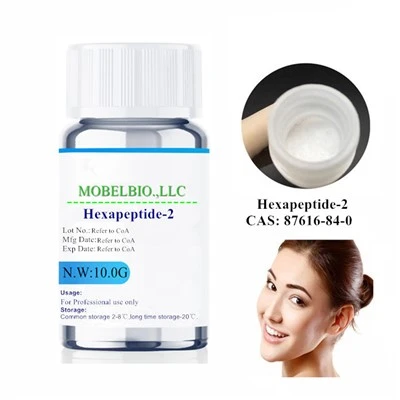
If you’re ready to give it a go, or you want to talk about the right product for your skin type (oily, dry, sensitive, whatever—we’ve got options), reach out to chat. No pressure, no sales pitch that feels pushy. Just real talk about what works for guys’ skin, since that’s what we’re focused on.
Personal Care Ingredient At the end of the day, the best skincare for you is the stuff that actually solves the problem you care about, fits your lifestyle, and doesn’t make you want to hide in the bathroom after using it. Whitening peptides check all those boxes for a lot of guys—they work, they’re gentle, no weird side effects, and they don’t require a 10-step routine to get results. So next time you’re scrolling through skincare products, skip the ones that leave stains or burn your post-shave skin, and give peptides a shot. Your skin (and your self-confidence) will thank you.
References
- Draelos ZD. Skin care considerations for men. J Am Acad Dermatol. 2004;50(6):896-902.
- Singh R, et al. Whitening peptides: a review of mechanisms and clinical efficacy in cutaneous hyperpigmentation. Int J Cosmet Sci. 2021;43(3):245-252.
- Lim J, et al. Comparative evaluation of brightening agents for post-inflammatory hyperpigmentation in Fitzpatrick skin types III-V. J Cosmet Dermatol. 2019;18(5):1427-1433.
Mobel Biomaterials Technology Co., Ltd.
As one of the most professional whitening peptide manufacturers and suppliers in China, we have world-leading production equipment and strong manufacturing capabilities. Please rest assured to buy bulk high quality whitening peptide made in China here from our factory. For more cheap products, contact us now.
Address: 25 No.Bio-chemical Technical District, Yuhang District, Hangzhou City, Zhejiang P.R China 310001
E-mail: service@mobelbiochem.com
WebSite: https://www.mobelbiochem.com/
