Are wireless chargers more expensive than wired chargers? This is a question that often pops up in the minds of consumers when they’re in the market for a new charger. As a supplier of wireless chargers, I’ve seen firsthand the various factors that contribute to the cost of both types of chargers, and today, I’ll share some insights. Wireless Charger
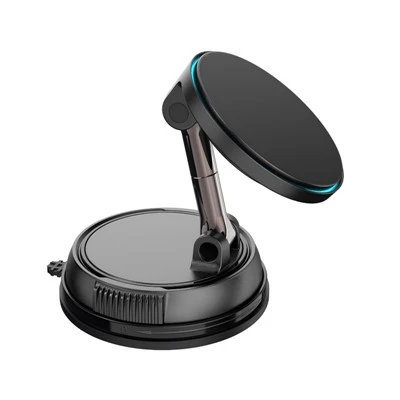
Cost Structure Analysis
Let’s start by looking at the fundamental cost – building elements of both wired and wireless chargers.
Wired Chargers
The basic components of a wired charger include a plug, a cable, and a charging circuit. The plug is usually made of plastic and metal contacts. These materials are relatively inexpensive and can be mass – produced at a low cost. The cable is typically copper wire insulated with rubber or plastic sheaths. Copper is a common and relatively affordable metal, and the insulation materials are also inexpensive in large quantities. The charging circuit, which regulates the voltage and current, is a bit more complex but still can be manufactured at a reasonable price, especially when produced in high volumes.
For example, a simple USB – A to Lightning cable charger for an iPhone can be produced for a few dollars. The raw material cost for the cable might be less than a dollar, and the charging circuit and plug add another couple of dollars. With economies of scale, the cost per unit drops even further, allowing manufacturers to sell these chargers at a very low price point, often under $10.
Wireless Chargers
Wireless chargers operate on a different principle. They use electromagnetic induction to transfer energy from the charger to the device. This requires a coil in the charger and a corresponding coil in the device (or a wireless charging receiver case). The coils are made of high – quality copper wire, which is not only expensive but also needs to be wound precisely to ensure efficient energy transfer.
In addition, wireless chargers need sophisticated control circuits to manage the power transfer, prevent overheating, and ensure compatibility with different devices. These circuits are more complex than those in wired chargers and are made with more advanced electronic components, such as microcontrollers and power management chips. These components are more expensive and also require more careful manufacturing and testing processes.
On top of that, wireless chargers often come in more stylish and functional designs. They may have features like multiple charging coils for charging multiple devices simultaneously, or they may be integrated into furniture or other products, which adds to the cost.
Pricing in the Market
When we look at the market prices, it’s clear that wireless chargers generally command a higher price.
In the budget segment, you can find wired chargers for as low as $5 or even less, especially during sales events. These chargers may be basic, but they get the job done. In contrast, the cheapest wireless chargers usually start at around $15 – $20. These are often single – coil chargers with standard charging speeds.
As we move up to the mid – range and high – end segments, the price gap becomes even more significant. High – quality wired chargers with fast – charging capabilities can cost around $20 – $30. But for wireless chargers with fast – charging, multiple – device support, and stylish designs, the price can easily exceed $50 and go up to well over $100.
Advantages Driving the Higher Cost
It’s important to note that the higher cost of wireless chargers is not just a matter of production complexity. They offer several advantages that justify the price for many consumers.
Convenience
One of the most significant advantages of wireless chargers is the convenience they offer. With a wireless charger, you simply place your device on the charging pad, and it starts charging. There’s no need to fumble with cables, which can be especially useful in situations where you’re in a hurry or have your hands full. For example, in a car, a wireless charger allows you to keep your phone charged without having to deal with tangled cables.
Aesthetics
Wireless chargers can enhance the aesthetics of a space. They often have sleek and minimalist designs that blend well with modern interiors. For businesses, such as cafes or hotels, offering wireless charging stations can be an added value for customers, making the establishment more attractive.
Future – Proofing
As more and more devices are coming with wireless charging capabilities as a standard feature, investing in wireless chargers is a step towards future – proofing your charging infrastructure. In the long run, the demand for wired chargers may decline as wireless technology becomes even more widespread.
Addressing the Perception of High Cost
As a supplier of wireless chargers, I understand that the higher cost can be a deterrent for some consumers. That’s why we’re constantly working on ways to reduce the cost without compromising on quality.
We’re optimizing our production processes to improve efficiency. By using more automated manufacturing techniques, we can reduce labor costs and increase the overall output. This allows us to offer our wireless chargers at more competitive prices.
We’re also exploring partnerships with component suppliers to get better prices on the raw materials. By buying in bulk and building long – term relationships, we can negotiate lower prices for the coils and electronic components, which are the major cost drivers in wireless chargers.
Conclusion
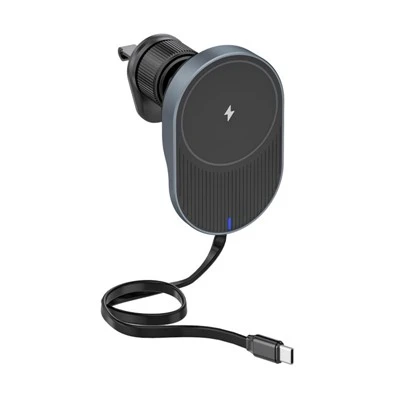
So, are wireless chargers more expensive than wired chargers? The answer is yes. However, the higher cost is justified by the advanced technology, convenience, and additional features that wireless chargers offer. As a wireless charger supplier, I believe that the market for wireless chargers will continue to grow as consumers become more aware of the benefits and as the cost gradually comes down.
Multifunction Power Bank If you’re a retailer looking to expand your product line, or a business interested in offering wireless charging solutions to your customers, I’d encourage you to get in touch with us. We have a wide range of wireless chargers to suit different needs and budgets, and we’re always happy to discuss potential partnerships and pricing options. Let’s work together to bring the future of charging to your market.
References
- Product cost analysis reports from internal company research.
- Industry whitepapers on charging technology and market trends.
- Consumer electronics market surveys on charger preferences and pricing.
KOMOS Co., Ltd.
As one of the most professional wireless charger manufacturers and suppliers in China, we are committed to providing high quality custom service and OEM service. Please feel free to wholesale bulk durable wireless charger at competitive price from our factory. Welcome to contact us for quotation.
Address: 4th Floor, Building 3, Zhongxi Buchong Community, Shajing Street, Bao’an District, Shenzhen City, Guangdong Province, China 518104
E-mail: contact@komos-tech.com
WebSite: https://www.komos-tech.com/
