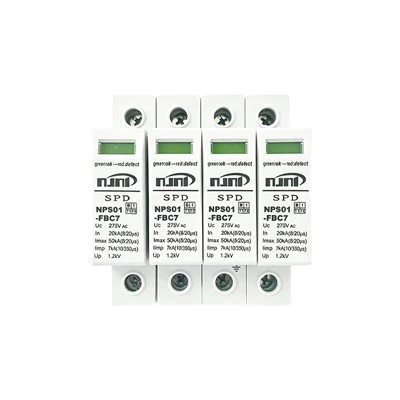
Hey there! As a supplier of Surge Protection Devices (SPDs), I often get asked about the difference between an SPD and a circuit breaker. It’s a great question, and one that can save you a ton of headaches and money in the long run. So, let’s dive right in and break it down. Surge Protection Device
What’s a Circuit Breaker Anyway?
First off, let’s talk about circuit breakers. You’ve probably seen these in your home’s electrical panel. They’re like the bouncers of your electrical system. Their main job is to protect your wiring and electrical devices from overcurrent situations.
Think of it this way: when you plug in too many appliances into one outlet or circuit, the amount of electricity flowing through the wires can get excessive. This is called an overcurrent. If the circuit breaker wasn’t there, the wires could overheat, and that could lead to a fire. That’s a seriously scary thought!
So, when an overcurrent occurs, the circuit breaker trips. It’s like a switch that automatically turns off the flow of electricity to that circuit. Once the problem is fixed, like unplugging some devices, you can flip the breaker back on, and everything’s up and running again.
Circuit breakers are rated for a specific amperage, which is basically a measure of how much electrical current they can handle. For example, you might have a 15-amp or 20-amp breaker in your home. If the current exceeds that rating, the breaker trips.
Meet the Surge Protection Device
Now, let’s shift our focus to Surge Protection Devices. Unlike circuit breakers, SPDs are all about protecting your electrical equipment from voltage spikes.
Voltage spikes, or surges, are sudden increases in electrical voltage that can happen for a bunch of reasons. Lightning strikes are one big culprit. When lightning hits a power line near your home, it can send a massive surge of electricity through the system. Power outages and restarts can also cause smaller but still damaging surges. Even things like large appliances turning on and off can generate surges.
Here’s where SPDs come in handy. They’re like the superheroes of your electrical system, stepping in to defend your devices from these sudden voltage jumps. An SPD detects when the voltage goes above a safe level and diverts the excess energy away from your equipment and into the ground.
Let me give you an example. Say you have a fancy new computer, a high-definition TV, and a bunch of other sensitive electronics in your home. Without an SPD, a single voltage surge could fry these expensive gadgets in an instant. But with an SPD installed, it absorbs the surge and keeps your devices safe.
Key Differences Between SPDs and Circuit Breakers
1. Function
- Circuit Breakers: Their primary function is to protect against overcurrent. They monitor the amount of current flowing through a circuit and trip when it exceeds a certain limit.
- Surge Protection Devices: SPDs are designed to protect against voltage surges. They detect sudden increases in voltage and divert the excess energy to prevent damage to your electrical equipment.
2. Response Time
- Circuit Breakers: They take a bit of time to trip. There’s a delay as they detect the overcurrent and then switch off the circuit. This is usually on the order of milliseconds to seconds.
- Surge Protection Devices: SPDs are incredibly fast. They can respond to voltage surges in nanoseconds, which is super important when you’re dealing with the split-second nature of a surge.
3. Protect What?
- Circuit Breakers: They protect the wiring in your electrical system. By shutting off the current when it gets too high, they prevent the wires from overheating and potentially starting a fire.
- Surge Protection Devices: SPDs protect your electrical and electronic devices. They safeguard everything from your smartphone charger to your high-end audio system from the harmful effects of voltage surges.
4. Reusability
- Circuit Breakers: After a breaker trips, it can usually be reset. Once you’ve fixed the overcurrent issue, you just flip the switch back on, and it’s good to go again.
- Surge Protection Devices: SPDs have a limited lifespan. Every time they divert a surge, they take a bit of a beating. Eventually, they’ll wear out and need to be replaced. However, this can take years, depending on the frequency and severity of the surges they encounter.
Why You Need Both
You might be thinking, "Do I really need both a circuit breaker and an SPD?" The answer is a resounding yes! They work together to provide comprehensive protection for your electrical system.
Circuit breakers are essential for preventing electrical fires and protecting your wiring. They’re like the first line of defense in your electrical panel. But they can’t do anything about voltage surges. That’s where SPDs come in. They add an extra layer of protection for your valuable electronics.
Imagine if you had a lightning storm and a bolt hit a power line near your home. The resulting surge could easily damage your appliances, computers, and other devices, even with a circuit breaker in place. But if you have an SPD installed, it can absorb the surge and keep your equipment safe.
On the other hand, if you overload a circuit by plugging in too many devices, the circuit breaker will trip and prevent a potential fire. The SPD won’t be able to help in this situation because it’s not designed to handle overcurrent.
Our Surge Protection Devices
As a supplier of SPDs, I can tell you that our products are top-notch. We use the latest technology to ensure that our SPDs offer the best protection against voltage surges. Our devices are tested and certified to meet all the relevant safety standards.
They’re easy to install, whether you’re a professional electrician or a DIY enthusiast. And we offer a range of options to suit different applications, from residential homes to commercial buildings.
We understand that every customer’s needs are different, so we’re always happy to provide advice and guidance on which SPD is right for you. Our team of experts is just a call or email away, ready to help you make the best choice for your electrical system.
How to Contact Us
If you’re interested in learning more about our Surge Protection Devices or if you’re thinking about making a purchase, we’d love to hear from you. You can reach out to us to start a conversation about your specific requirements. Whether you’re a homeowner looking to protect your electronics or a business owner in need of comprehensive surge protection, we’ve got you covered.
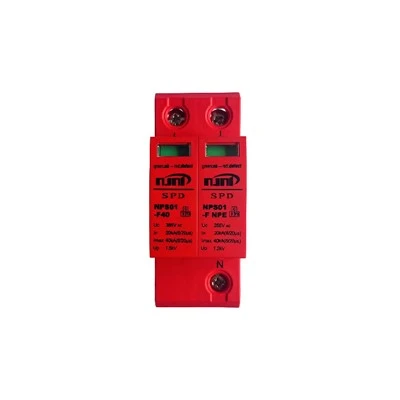
T1+T2 12.5KA Surge Protective Device Let’s work together to ensure that your electrical system is safe and secure. Contact us today to get started!
References
- National Electrical Code (NEC): Covers electrical safety standards in the United States, including requirements for circuit breakers and surge protection devices.
- Underwriters Laboratories (UL): UL standards provide guidelines for the safety and performance of electrical equipment, including SPDs and circuit breakers.
- Institute of Electrical and Electronics Engineers (IEEE): Publishes research and standards related to electrical engineering, which can be a valuable resource for understanding the technical aspects of SPDs and circuit breakers.
Nanjing Ningpu Lightning Protection Equipment Manufacturing Co., Ltd.
As one of the most professional surge protection device manufacturers and suppliers in China, we’re featured by quality products and good price. Please rest assured to buy customized surge protection device made in China here from our factory. Also, pricelist is available.
Address: Building 1, No.20 Shengyuan Road, Lishui Economic Development Zone, Nanjing City, Jiangsu Province, China
E-mail: 3796023563@qq.com
WebSite: https://www.npspd.com/
