If you’ve ever handled a jute bag—whether as a grocery shopper, a boutique seller packing linen goods, or a café owner hauling bulk coffee beans—you’ve probably found yourself asking one question: do jute bags get wet easily? As a jute bags supplier who’s been in this trade for over a decade, I’ve fielded this query hundreds of times, and it’s never a simple yes or no. There’s a lot more to it than the fiber’s reputation for being "prone to moisture," and understanding that difference is key to choosing the right bag for your needs. Let me break this down, from the science of jute fiber to real-world use cases that I’ve seen play out with my own clients. Jute Bags

First, let’s start with what jute actually is. It’s a natural bast fiber, harvested from the stalks of the Corchorus plant, grown primarily in the Ganges delta region. For millennia, it’s been used for everything from grain sacks to textiles, thanks to its strength, affordability, and ability to biodegrade faster than plastic or most synthetic fabrics. But its natural structure is where the moisture question lies. Jute fibers have a porous, hollow core and a rough, twisted surface—think of it like a tiny, crinkled straw. That porosity is great for breathability: why grain farmers love jute sacks because they let air circulate, preventing mold from building up on wet grain. But that same porous structure also means it absorbs water quickly, right? Well, not exactly—water absorption depends on a few factors, starting with how the jute is processed.
Raw, unprocessed jute will absolutely soak up water in seconds. I learned this early in my career, when I sent a batch of unprocessed jute tote bags to a small organic farm in Scotland. They used them to transport wet hay for their livestock, and within an hour, the bags were sagging, water dripping through the seams, and the handles were so waterlogged they broke mid-load. That was a wake-up call. Unprocessed jute fibers have not been treated with any kind of sealant, and their porous structure means water molecules can get trapped in the hollow core, swelling the fiber and weakening the tensile strength. When jute swells, it becomes less flexible, and over time, repeated wetting and drying can cause the fibers to fray and break. But here’s the thing: most jute bags sold commercially today—especially those made for retail or regular use—aren’t raw. They undergo a finishing process that changes how they interact with moisture.
Let’s talk about those finishes. The most common one is called a "calendering" process, where the jute fabric is heated and pressed with heavy rollers to smooth out the rough surface and compact the fibers. This reduces the size of the pores, so water has a harder time seeping through. Some suppliers, including my company, also use a light coating of natural wax—beeswax or plant-based waxes, to keep the bag eco-friendly—to add an extra layer of water resistance. I should be clear: this is not a waterproofing coat, like what you’d find on a nylon rain jacket. It’s a water-repellent treatment, designed to resist light spills, rain showers, and damp conditions, not full submersion. I once had a client who owned a beach resort order 500 waxed jute tote bags for guests. Last summer, a sudden, heavy downpour left guests’ new bags out by the pool, and only 12 of them seeped water through—none of them failed completely, and all dried out with no damage. That’s a far cry from the raw jute hay bags I sent to that Scottish farm years ago.
Another big factor is the weave of the jute bag. Jute fabric comes in different weights and weaves: plain weave, twill, and a tighter, more dense weave called "hessian" or "burlap" (depending on the region). Tighter weaves, like the ones we use for our premium retail totes, have smaller gaps between the fibers, so water can’t penetrate as easily as it would in a looser weave, which is what you’d see in a heavy-duty grain sack. I always tell clients: if you need a jute bag for carrying wet produce or for use in a consistently damp environment (like a garden shed or a pool area), go for a tighter weave with a wax finish. If you’re using it for dry items like books, groceries, or gifts, a looser weave works fine, and it’s more breathable for things like bread or fresh herbs.
Wait, but what about when jute bags do get wet? Even treated jute will absorb some moisture—no natural fiber is completely water-resistant, right? The key is how you dry it. I’ve seen clients make the mistake of throwing a wet jute bag in the dryer or leaving it in direct sunlight for hours. That causes the wax coating (if you used wax) to melt, and the fibers to shrink and become brittle. The best way to dry a wet jute bag is to hang it in a well-ventilated, shaded area, away from direct heat. We always include a small care card with every order that says this, and it’s one of the pieces of advice our repeat customers thank us for. I had a café owner in London tell me last year that he’d spilled a whole pot of hot coffee on his go-to jute bag, panicked, hung it by a window in the shade, and it was good as new by the next day—no stains, no weak spots. But if he’d put it in the dryer? He would’ve had to replace it.
Let’s also address a common myth: people think that because jute is natural, it will fall apart if it gets wet. That’s not true, as long as it’s processed and cared for properly. I’ve had clients use our waxed jute bags for years, even in rainy UK weather, and they still look good. The only time a jute bag will fall apart from water is if it’s raw, or if it’s exposed to water repeatedly without drying properly. Another thing to consider: the color of the jute bag. Natural jute is a light tan color, and if it gets wet, it might leave a water stain if it dries unevenly. Dyed jute bags, on the other hand, can have the dye run if they get soaked, especially if the dye isn’t set properly. That’s why we use reactive dyes for all our colored jute bags—they’re set during the manufacturing process, so even if a bag gets splashed, the dye won’t bleed onto clothes or other items inside. I once had a boutique owner order 200 navy jute bags for a holiday sale, and a few of them got splashed with champagne during a preview event. She called me worried about dye stains on her gift items, but the bags didn’t bleed at all— that’s the difference between a quality finish and a cheap one.
As a jute bags supplier, I also get asked about jute vs. other natural fibers, like cotton. A lot of clients want to know if cotton is more resistant to water than jute. Cotton is more absorbent than most synthetic fabrics, but it’s actually less durable than jute when wet. I’ve tested this myself: I soaked a jute tote and a cotton tote of the same weight in water for 10 minutes. The cotton bag stretched so much it could barely hold its shape, while the jute bag stayed intact, just slightly damp. That’s a big selling point for jute: even when it’s wet, it’s still stronger than cotton when wet. But cotton does dry faster, right? Yeah, that’s true. Jute fibers are hollow, so they hold more moisture than cotton, which is solid. So if you need a bag that dries quickly after getting wet, cotton might be a better fit, but if you need something that can handle the weight even when damp, jute is the way to go.
Let’s get real about practical use cases. If you’re a grocery shopper using a jute tote to carry a bunch of wet spinach or a carton of milk that spills, a treated jute bag will handle that just fine. Wipe it down with a damp cloth, let it air dry, and it’s ready to go. If you’re a farmer using a jute bag to carry wet vegetables from the field, you want a heavy-duty, tight-weave jute bag with a wax coating. If you’re a crafter using jute for a project that might be exposed to rain, a treated jute roll works better than raw. I’ve had clients use our jute bags for everything from picnic blankets (lined with a waterproof layer, of course) to pet waste bags, and all of them have different needs when it comes to moisture resistance.
One thing I always emphasize to new clients: don’t confuse "water-resistant" with "waterproof." Jute is never going to be as water-resistant as a synthetic fabric like polyester or nylon, and it will get wet if you submerge it or leave it out in heavy rain for hours. But compared to other natural fibers, jute is pretty good at handling light to moderate moisture, especially when it’s been processed correctly. And the benefits of jute—its sustainability, its strength, its low environmental impact—far outweigh the minor downside of it being porous, especially when you choose a high-quality, treated bag.
I once had a client who was on the fence about switching from plastic bags to jute because she was worried about them getting wet. She owned a small grocery store in a rainy city in the Pacific Northwest, and she thought plastic was the only way to keep customers’ items dry. We sent her a sample of our waxed jute tote, she tested it for a month, and now she orders 500 every quarter. She told me that even when it’s raining and customers are running to their cars, the bags keep their dry goods dry, and the few splashes they get wipe off easily. That’s the kind of real-world use that matters more than any science sheet.
So to circle back to the original question: do jute bags get wet easily? The short answer is: raw jute does, but high-quality, processed jute bags (like the ones we supply) resist water well enough for most everyday uses. The key factors are processing, weave, and finish. If you’re shopping for jute bags, don’t just ask if they’re waterproof—ask what kind of treatment they’ve had, what the weave is, and how to care for them when they do get wet. As a supplier who’s worked with hundreds of clients across different industries, I can tell you that the right jute bag is not just a trendy eco-friendly item—it’s a durable, practical product that works as long as you choose the right one for your needs.
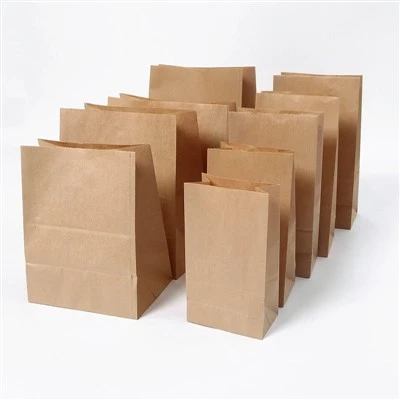
If you’re a business owner, event planner, or anyone looking for high-quality jute bags that balance sustainability and practicality, we’re here to help. We work with all kinds of clients, from small boutique owners to large retail chains, and we can customize our bags to fit your specific needs—whether you need extra water resistance, a certain weave, or custom branding. Drop us a line to discuss your requirements, and we’ll help you find the perfect jute bags for your use case.
Sticker References
- Jute: The Fibre of the Future. (2021). International Jute Study Group.
- Natural Fiber Structures and Their Interactions with Water. (2019). Journal of Natural Fibers.
- Processing and Finishing of Jute Textiles. (2020). Textile Institute and Industry.
- Performance of Natural Fiber Totes Under Moisture Exposure. (2022). Journal of Sustainable Textiles.
Yiwu Jieshi Packing Products Co., Ltd.
We are one of the most experienced jute bags manufacturers and suppliers in China. With a professional production team, we offer a wide range of paper packaging with superior quality. Please feel free to wholesale bulk premium jute bags at competitive price from our factory.
Address: Floor 4, Building 2, No.1, Kuangqian 1st Road, Yiting Town, Yiwu, Zhejiang, P.R. China
E-mail: debby@jieshiprint.com
WebSite: https://www.jespackage.com/
