Hey everyone, if you’ve ever walked past a commercial egg farm or even seen those piles of neatly packed eggs at the grocery store, you’ve probably wondered how all those chickens are housed efficiently. Spoiler: it’s not just random coops scattered around a yard. Today, I’m breaking down one of the most popular setups we supply here at our company—H frame chicken cages. No stuffy jargon, just real talk from someone who’s been in the cage game for over a decade. H Frame Chicken Cage
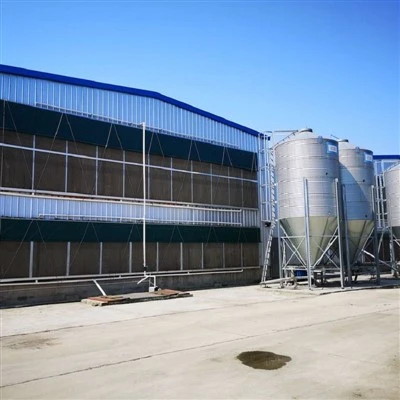
First off, let’s get the basics straight. An H frame chicken cage is a stacked, modular housing system for poultry (usually layers, since that’s our main focus) that looks like… well, the letter H. Picture two tall vertical side frames, a top and bottom crossbar connecting them, and multiple cage tiers sitting between those crossbars. It’s called “H frame” because the whole unit looks like that letter when you’re staring at it from the side.
Now, why would a farmer pick this over, say, a single-level cage or a traditional pen? Let’s cut to the perks, because that’s what matters to anyone running a farm, big or small. First, space. H frame cages are vertical—so you’re not wasting precious ground space. A single H unit can hold 3,000 to 5,000 hens, depending on the tier count and design. Compare that to a single-level cage that’d take up 3 times that footprint for the same number of birds, and you can see why this is a game-changer for farmers with limited land. Even if you’ve got acres, that saved space can go to things like feed storage, bird health areas, or even just giving your chickens a bit more room to move (as much as they can in cages, anyway).
Next, management. With H frame, every tier is structured so eggs roll down a slight slope into a collecting tray at the end. That means no more bending down to pick up eggs off the floor or digging through bedding—one person can run an egg collection line in minutes, not hours. We also build in automated feeding and watering lines that run along each tier, so you don’t have to refill troughs manually every morning. Waste is another big one: H cages usually have manure belts under each tier that pull waste away automatically, so you’re not dealing with stinky, unsanitary piles building up where the chickens live. That cuts down on labor time big time—our regular clients tell us they save 10+ hours a week per 1,000 hens compared to old-style pens.
Wait, but let’s not skip over the fine print—because not all H frames are created equal. A lot of new farmers come to us saying they bought a cheap H frame online, only to have it rust after a year or the tiers sag under too much weight. What do we do differently? Our frames are made from hot-dip galvanized steel, so it can handle moisture, manure, and whatever weather you throw at it—even in humid places like the American South or coastal areas. We also design the cage spaces to match local animal welfare guidelines, because let’s be real, you can’t sell eggs if you’re not meeting regulations. Each hen gets about 60-80 square inches of space, which is the sweet spot between not overcrowding and keeping the unit efficient.
Let me address a common question I get: are H frame cages bad for chickens? Look, every housing system has pros and cons, but H frame is actually one of the most humane options for commercial layers when built right. The sloped floor lets hens sit comfortably without putting pressure on their legs, automated feeding means less stress from competition over food, and the manure belts keep the area cleaner so less disease spreads. I’ve seen too many farmers use free-range systems where chickens peck at each other because they’re bored, but with H frame, we add little perches and nesting areas in each cage to reduce that pecking behavior. Obviously, it’s not the same as letting a chicken roam, but for large-scale egg production, it balances efficiency and bird care way better than most alternatives.
Another thing people don’t talk about: long-term cost. Yeah, an H frame setup might cost a bit upfront, but when you factor in lower labor bills, less egg breakage (since eggs roll smoothly instead of getting stepped on), and lower disease risk, it pays for itself in 18-24 months. We’ve had clients who switched from single-level cages and saw a 12% jump in egg production in the first year, just because the hens were less stressed and had consistent access to feed and water.
Now, what does a typical installation look like? We don’t just drop a stack of cages at your farm and leave. Our team comes in, measures your barn (or helps you plan a new barn) to make sure the H units fit—we usually suggest 3 to 4 tiers, since more than that can make cleaning and feeding hard to reach. We run all the automatic lines, test the egg collection system, and train your workers for a day so they know how to adjust the water pressure, clean the manure belts, and spot issues before they become problems. We also sell replacement parts, so if a bracket breaks or a feeder clogs, you don’t have to hunt for a random part online.
Wait, let’s touch on different types, too. There are two main styles: battery H cages and enriched H cages. Battery ones are the standard, tight-space setup for high-density production, while enriched ones have extra space and features like nesting boxes for farms that want to sell “cage-free” adjacent to conventional eggs, or meet stricter welfare rules. We can customize either—if you need a tier that’s wider for larger hens, or a manure belt that works with your farm’s compost system, we build it.
I know a lot of you are probably thinking, “I’m a small-scale farmer, is this for me?” If you’re only raising a few hundred hens, an H frame might feel overkill, but even small operations can benefit from a mini H setup. We’ve got clients with 500 hens that use a 2-tier H unit, and they’re saving so much time they can take a day off a week without anyone else helping with chores. For larger farms with 10,000+ hens, it’s non-negotiable at this point—most local egg markets won’t buy from farms that still use traditional pens because the egg quality is inconsistent and disease is too common.
Let’s get real about the downsides, too, so no one feels like we’re just selling a perfect product. H frame cages are fixed—you can’t easily move them once they’re installed, so you need to plan your barn layout right. If your power goes out, the automatic feeding and egg collection stop, so you need a backup generator (we can help you pick a small one that works for your setup). And like any poultry housing, you still have to do regular health checks on the hens, even with the automated system—no machine can replace watching for signs of illness.
So, why should you consider an H frame chicken cage over other options? It’s all about work smarter, not harder. For us, it’s not just about selling cages—it’s about helping farmers make their operations less stressful and more profitable. If you’re tired of spending hours a week collecting broken eggs, dealing with manure piles, and your hens having high mortality rates, an H frame is probably the fix you need.
If you’re curious, hit us up to chat. We can send over a free, no-obligation quote, answer any questions you have about size, customization, or installation, and even connect you with local farmers who’ve been using our cages for years. No pressure, just real talk—we know picking a new housing system is a big decision, and we’re here to make it easy.
Egg Grading Machine and Supporting Equipment References
- North, M. O., & Bell, D. D. (1990). Commercial Chicken Production Manual. Van Nostrand Reinhold.
- Animal Welfare Institute. (2021). Poultry Housing Guidelines for Commercial Production.
- European Food Safety Authority. (2019). Welfare of Laying Hens in Cages. EFSA Journal.
Guangzhou Guangxing Poultry Equipment Group Co., Ltd.
Guangzhou Guangxing Poultry Equipment Group Co., Ltd. is one of the most professional h frame chicken cage manufacturers and suppliers in China, featured by quality products and good price. Welcome to buy CE approved h frame chicken cage made in China here and get pricelist from our factory. Customized orders are welcome.
Address: NO.2 Guangxing Road, Shating Taihe Town, Baiyun Guangzhou, China
E-mail: gxservice@cnguangxing.com
WebSite: https://www.guangxingcn.com/
