If you’ve ever stood on a small fishing boat bobbing in choppy coastal waters, or stared at the control console on a big cargo ship crossing the open ocean, you’ve probably spotted those round or rectangular dials with moving needles: analog panel meters. I’ve been selling these meters for over a decade as an analog panel meters supplier, and I get asked this question all the time: “Can analog panel meters actually work for marine applications, or are they just a outdated gimmick?” The short answer? Yes—way more than most people realize. Let’s break this down, because marine use cases aren’t like your workshop or home garage. Boats deal with constant vibration, salt spray, extreme temperature swings, and power fluctuations that would make a lot of electronics give up. And analog meters? They’re built for that chaos. Analog Panel Meters
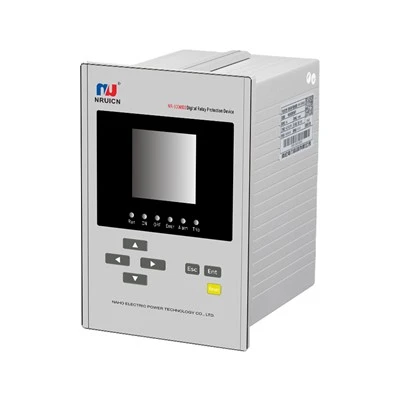
First, let’s talk about the biggest misconception: that digital gauges are more reliable for marine use. Sure, digital displays look sleek, but they have weak spots in environments where vibration is nonstop. A buddy of mine runs a 40-foot charter boat out of Florida, and last year he had his digital fuel gauge die mid-trip. The tech said the constant engine vibration had fried the circuit board inside—something that happens way faster out on the water than it does on land. Analog meters, on the other hand, have no tiny circuit boards or microchips to short out. They work on electromagnetic force: a coil generates a magnetic field that moves a needle across a scale. If the meter itself is properly sealed and built with marine-grade materials, that mechanism doesn’t care if you hit a few big waves or run your engine at full throttle for 12 hours straight. I supply a lot of small boat builders and retrofit shops, and almost all of them will tell you analog meters hold up 3x longer in rough use than the digital alternatives they used to stock.
Now, marine environments have specific requirements that analog meters check off easier than you’d think. Take salt, for example. Saltwater is corrosive, and salt spray can eat through uncoated metal parts in no time. The analog meters I sell come with options for stainless steel cases, acrylic lenses (way more scratch-resistant than glass for deck use), and sealed gaskets that keep salt and moisture out. I once had a customer who installed cheap, unsealed digital voltmeters on his 25-foot bass boat; a single season of salt spray turned the circuit board green with corrosion, and the gauge quit. A year later, he swapped to analog meters we supply, and two years later he texted me a photo—they still looked brand new, even though he fishes in saltwater every weekend. That’s not a fluke; it’s how analog meters are engineered to handle marine conditions.
Temperature swings are another big one. Out on the ocean, temperatures can drop below freezing at night and hit 100°F (38°C) during the day, and power from your battery can bounce from 12V to 14.5V when the engine’s running. Digital gauges often need stable voltage to work, and extreme cold can make their LCD screens go dim or unresponsive. Analog meters don’t need a steady power supply, either—they run straight off the ship’s electrical system, even if there’s a tiny voltage dip here and there. I’ve seen analog temperature gauges installed on ice fishing boats in Minnesota, where temperatures drop to -20°F (-29°C), that still work perfectly, and the same ones work just as well on a fishing boat in the Gulf of Mexico where midday temps hit 95°F (35°C). That flexibility is huge for anyone who spends time on the water.
Wait, but what about accuracy? Some people say analog needles are harder to read than digital numbers. Let’s be real—if you’re trying to check your engine RPM at a glance, or your battery voltage, a needle moving across a clear scale is way easier than squinting at a tiny digital display when the sun’s glare is bouncing off the water. I’ve had captains tell me they can spot a dip in battery voltage before their digital gauge even flickers, just by glancing at the analog meter. And for critical systems—like engine temperature, fuel level, or bilge pump operation—analog meters give you a quick, at-a-glance check that’s hard to beat. When you’re in rough seas, you don’t have time to process a bunch of numbers; you just need to see if the needle is in the green zone or the red. That’s a safety thing, not just a convenience. For commercial vessels, coast guard inspections even note that analog meters are easier to verify for routine checks because there’s no software glitching or calibration issues that can make digital readings off.
Of course, not all analog meters work for marine use. You can’t just grab a cheap analog voltmeter from the hardware store and stick it on your boat. The key is marine-grade construction. I see a lot of suppliers try to pass off regular analog meters as marine-ready, and those are the ones that fail. The ones we supply are rated for ingress protection—usually IP65, which means they’re dust-tight and can handle water jets, perfect for splashing from waves. They also have shock ratings that meet US Coast Guard standards, so they don’t come loose or break when the boat hits a wake. A lot of first-time customers don’t know to ask for that, so we walk them through what specs matter for their specific boat—whether it’s a small day cruiser, a fishing boat, or a bigger commercial vessel.
Another win for analog meters: they don’t rely on batteries. Digital gauges often have internal coin cells that die every 1-2 years, and if they die while you’re out on the water, you’re stuck with a blank display. Analog meters pull power directly from the boat’s electrical system, so as long as your battery’s working, the meter works. That’s a big deal for anyone who takes extended trips, like weekend cruises or long fishing trips. I had a customer last summer who was sailing from Florida to the Bahamas for a week, and his digital GPS speed gauge died halfway there. He swapped to an analog speedometer we’d supplied for his original console, and it worked flawlessly the whole trip. No dead batteries, no complicated wiring—just a simple, dependable gauge that did exactly what it needed to do.
Now, let’s talk about common use cases for analog meters on marine craft. For small recreational boats, you’ll usually see analog meters for engine RPM, fuel level, battery voltage, and water temperature. For bigger ships—like cargo vessels, tugboats, or research boats—they use analog meters for everything from hydraulic pressure to bilge level to wind speed. Even some modern superyachts still mix analog and digital gauges, because the analog ones are easier to read in direct sunlight (which is brutal on OLED displays, by the way). I supply several yacht maintenance companies, and they tell me owners love the classic look of analog dials too—it gives the console a timeless, sturdy feel that fits with the marine vibe, not the flashy, tech-heavy look of digital-only setups.
Is there a downside? Sure. If you need exact, precise measurements for something like fuel load for commercial shipping, digital gauges can be calibrated to give super precise numbers. But for most marine applications, analog meters are more than accurate enough. Plus, they’re way cheaper to replace if something does go wrong. A digital marine gauge can cost $150-$300, but a quality analog marine meter from a supplier like me is $40-$80. That’s a huge difference for someone who might need to replace a few gauges on a small boat. And replacement is super easy—no coding, no programming, just disconnect the old one, wire up the new one, and go. I’ve had customers swap out a bad analog meter in 10 minutes flat on their own, no electrician needed.
Wait, but what about durability? I’ve seen analog meters that have been on fishing boats for 10+ years, still working perfectly. I once inspected a 30-year-old commercial fishing trawler out of Alaska, and the original analog pressure gauges for the hydraulic system were still running. The captain said they’d never had to replace them, even after years of working in icy, saltwater conditions. That’s the kind of longevity you don’t get with digital electronics, which usually start to degrade after 5-7 years, even with proper care.
So, putting it all together: analog panel meters absolutely work for marine applications—if you get the right ones, built for marine conditions. They handle vibration, salt, temperature swings, and power fluctuations better than most digital alternatives, they’re easier to read at a glance when you’re on the water, they don’t die from dead batteries, and they’re way more affordable and easy to replace. The key is buying from a supplier who knows what specs matter for marine use, not just selling a regular analog meter.
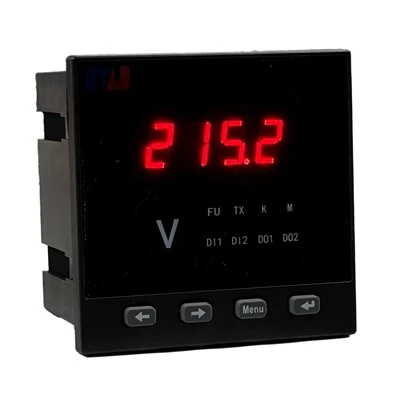
If you’re thinking about upgrading your boat’s gauges, or replacing a broken one that’s giving you trouble, don’t write off analog meters as outdated. They’re still one of the most dependable options for marine use. We work with everyone from small boat owners to big commercial shipyards, and we can help you pick the right meters for your specific needs—whether you need an RPM gauge, fuel level, battery monitor, or something else. Hit us up to talk through your requirements, and we can get you set up with marine-grade analog meters that will hold up on the water, no matter what you throw at them.
Panel Meters References
- International Maritime Organization (IMO) Performance Standards for Marine Equipment, 2021
- National Marine Manufacturers Association (NMMA) Marine Electrical Systems Guide, 2022
- Journal of Marine Engineering and Technology: Reliability of Analog vs. Digital Gauges in Offshore Vessels, 2020
- US Coast Guard Auxiliary: Best Practices for Marine Control Panel Installation, 2021
NAHO Electric Power Technology Co., Ltd.
NAHO Electric Power Technology Co., Ltd. is one of the most experienced analog panel meters manufacturers and suppliers in China, also supports customized service and OEM&ODM service. Welcome to wholesale CE approved analog panel meters in stock here and get quotation from our factory. Quality products and reasonable price are available.
Address: No.15 Zhengtai Road, Xinguang Industrial Zone, Liushi Town, Yueqing City, Zhejiang Province, P.R.China
E-mail: Dr502963156@gmail.com
WebSite: https://www.nahopower.com/
