Hey everyone, if you’ve ever worked in metal fabrication, automotive parts manufacturing, or even shipbuilding, you’ve probably seen a shot blasting machine in action—those loud, gritty systems that strip rust, scale, or old paint from metal surfaces way faster than any manual sander could. But today, I wanna zoom in on one part that’s often overlooked, like the quiet workhorse keeping the whole show running: the hopper. As someone who’s been supplying shot blasting machines for over a decade now, I can’t tell you how many times new clients ask, “Why does the hopper matter more than the blast wheel?” Let’s break this down, no fancy jargon, just what actually keeps your machine running smooth and your parts ready for finishing. Shot Blasting Machines
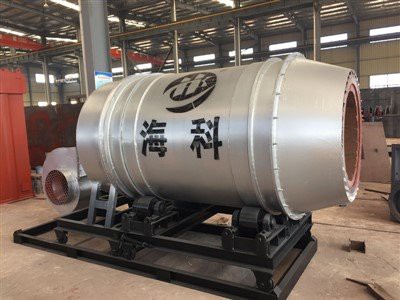
First off, let’s get one thing straight: the hopper isn’t just a garbage bin for used shot. I’ve seen way too many cheap knock-off machines cut corners here, and those clients end up calling me within a month, complaining their shot blasting is uneven or their blast wheel’s burned out way early. Here’s the real deal: the hopper is the heart of the shot recycling system, and the recycling system is the backbone of any shot blasting machine. You don’t just blast once and toss the shot—you reuse that steel grit or cast steel shot (yeah, we supply the right shot too, but that’s another post) over and over, right? That’s where the hopper steps in. It catches all the shot, rust scale, dust, and tiny metal chips that get propelled off your parts during blasting, and it feeds that mix straight into the separator before the shot goes back to the blast wheel for another round.
Wait, let’s make that more relatable. Think of it like a coffee maker: the hopper is the carafe that catches all the brewed coffee (your used shot and debris), not just a random shelf. If your carafe has a leak or can’t hold the right amount, your coffee drips all over the counter (wasted shot, messy shop floor) and your next brew is weak (uneven blasting). Same with shot blasting. A good hopper is sized perfectly for your machine—too small, and it overflows mid-cycle, dumping abrasive on your floor, clogging your dust collector, and wasting money on shot you’re just tossing away. Too big, and you’re wasting shop space for no reason. I once had a client who bought a used machine from a no-name seller that had a way too small hopper—they had to pause every 10 minutes to clean up spilled shot, cutting their production time in half. That’s a $10k mistake just because of a cheap hopper.
Next up, the hopper has to handle way more than just clean shot. That mix coming back from the blast chamber is heavy—like, really heavy. Cast steel shot is dense, so a full hopper is easily 500+ pounds, depending on your machine size. If the hopper is made of thin, cheap steel, it’ll warp after a few months, bend at the seams, and start leaking debris into areas it shouldn’t. Warped hoppers also mess with the flow of shot going to the separator. The separator’s job is to pull out dust and tiny broken shot so only usable, uniformly sized shot goes back to the blast wheel. If the hopper’s warped, shot doesn’t flow evenly into the separator—some parts get too much, some too little—so your blasting is inconsistent. You’ll have parts that are still rusty in some spots and over-blasted (which weakens the metal) in others. That’s a quality control nightmare, especially for clients who need parts coated or painted next.
Oh, and don’t sleep on the hopper’s discharge mechanism. A lot of people think it just dumps shot out, but it’s got to feed a steady, controlled stream. If the discharge is too narrow, it clogs with debris—rust scale or tiny shot chips get stuck, and suddenly your blast wheel isn’t getting any fresh shot, so performance drops. If it’s too wide, you get a surge of shot, which overloads the separator, and you end up wasting good shot because it gets carried out with the dust. I always tell clients when they’re upgrading their machine, check that the hopper has a variable speed discharge or a screw conveyor at the bottom—no, that’s not overkill, that’s what makes a good hopper vs. a bad one. We design all our shot blasting machines with that for exactly that reason, so our clients don’t have to deal with clogged lines or wasted shot.
Another big one: dust management. The hopper is the first line of defense for your dust collector. All that dust from rust, paint, or metal machining doesn’t go straight to the dust collector— it mixes with the shot in the hopper. A well-designed hopper has a dust vent at the top, connected directly to your machine’s dust collector, that pulls the fine dust out before it even reaches the separator. If your hopper doesn’t have that vent, dust builds up in the system, clogs your filters, and can even get into the air your shop workers breathe— that’s OSHA stuff, no one wants that headache. I had a small fabrication shop client last year who skipped adding a hopper dust vent, and their dust collector filters had to be changed every week instead of every month. That’s an extra $200+ a month in filter costs, plus the risk of a fine if OSHA comes around. Worth every extra dollar for a hopper with the right vents.
Wait, let’s talk about different types of hoppers too, because not all machines need the same one. If you’re running a tumblast shot blasting machine (the ones that roll small parts around while blasting), you need a hopper that can handle the smaller, tumbling debris without getting clogged. For a hanger type machine (you hang big parts like truck frames or ship components), you need a hopper that’s mounted higher, with a longer discharge line, so it can handle the larger volume of shot and debris from blasting big parts. And for a conveyor shot blasting machine, which runs parts through on a continuous line, you need a hopper with a steady, uninterrupted flow—no stops mid-shift, because your production line can’t wait for the hopper to refill. I’ve seen so many clients buy a one-size-fits-all hopper that’s wrong for their machine type, and they end up with downtime that costs them way more than the hopper would have cost to spec correctly.
Let me give you a real example to drive this home. A client of mine makes automotive engine blocks, so they run a continuous conveyor shot blasting machine for their parts. They bought a machine from a competitor a couple years ago, and the hopper was the cheap, thin-steel, one-size model. After 6 months, the hopper warped so bad that shot was leaking out the side, and the flow to the separator was all off. Their blasting quality dropped—they had parts with leftover casting scale, so their paint finish started peeling within a month of installation. They were losing about $15k a month in rework and returned parts, on top of $3k a month in wasted shot. They reached out to us to replace the hopper on their existing machine, and after we installed our custom-sized, heavy-duty hopper with variable discharge and a proper dust vent, their waste went down by 80%, rework dropped to almost zero, and their shot blasting efficiency went up by 25%. That’s not a small win— that’s the difference between making a profit and breaking even.
Now, I know some of you are thinking, “Okay, but what about when the hopper breaks? How much does that cost me?” Well, a bad hopper doesn’t just cost you wasted shot. If debris gets backed up into the separator, it can wear out the separator’s screens way faster, leading to a $2k+ replacement part every 3 months. If shot flow is off, the blast wheel— which is one of the most expensive parts of the machine— has to work harder to compensate, leading to premature wear that might make you replace the blast wheel a year early. I’ve seen a client go through two blast wheels in 18 months because of a bad hopper— that’s $8k right down the drain, all because they tried to save $500 on a cheap hopper when they bought their machine. That’s a terrible trade-off, no matter how tight your budget is.
So, what should you look for when you’re checking out a shot blasting machine, especially the hopper? First, check the material: 10-gauge steel minimum, no thinner. That’s heavy enough to handle the weight of shot and not warp. Second, ask about the discharge mechanism: is it a variable speed screw conveyor or a controlled flow chute? Avoid gravity-only chutes if you’re running a continuous or high-volume machine. Third, check for dust vents: does the hopper have a dedicated vent connected to the dust collector, so fine debris is pulled out before going back into the system? Fourth, ask if the hopper is sized specifically for your machine’s model and throughput, not a generic one. And if you’re not sure, just ask the supplier— anyone who knows their stuff will be happy to walk you through their hopper design, not just brush it off as “just a bin.”
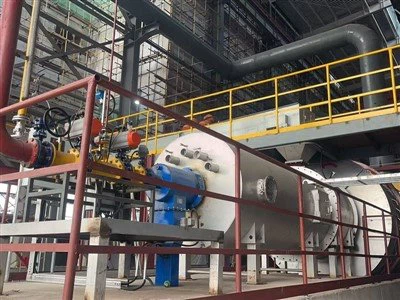
At the end of the day, the hopper is the unsung hero of the shot blasting machine. It doesn’t spin like the blast wheel or make the loudest noise, but it’s what keeps your shot recycling smooth, your blasting consistent, your costs low, and your shop running safe. You can have the best blast wheel in the world, but if your hopper is garbage, your machine will never perform like it should.
Dust Collectors If you’re in the market for a new shot blasting machine, or you’re looking to upgrade or replace parts on your existing setup, I’m here to help. We work with all types of manufacturers— from small fab shops to large automotive and shipbuilding companies— and we can walk you through exactly what size and type of hopper (and whole machine) will work best for your specific needs. No pushy sales talk, no confusing jargon, just honest advice from someone who’s been in this game for years. Reach out to us to chat through your requirements, and we’ll give you a clear, fair quote that fits your budget.
References
- Society of Manufacturing Engineers. (2021). Shot Blasting Fundamentals: Abrasive Recycling and System Design. SME Press.
- Occupational Safety and Health Administration. (2022). Respiratory Protection Guidelines for Metal Fabrication Facilities. OSHA Technical Manual.
- American Foundry Society. (2020). Optimizing Shot Peening and Blasting Processes for Metal Component Finishing. AFS Transactions.
Jiangsu Haike Environmental Tech Co., Ltd.
As one of the most professional shot blasting machines manufacturers and suppliers in China, we’re featured by quality products and good service. Please rest assured to wholesale customized shot blasting machines at competitive price from our factory. Contact us for quotation.
Address: No.1, Wei’er Branch Road, Shanggang Industrial Park, Jianhu County, Yancheng City, Jiangsu Province, China
E-mail: 17388487000@163.com
WebSite: https://www.jshkhbwm.com/
