As an EVA play mat supplier who’s spent years working directly with factories, testing products, and answering hundreds of customer questions, I get asked one question more often than any other lately: Can EVA play mats really work as a sleeping mat? It’s a logical question, especially with the rise of people working from home (needing extra floor space for impromptu naps or overnight guests), outdoor hobbyists looking for a light, portable floor option, and parents wondering if their kids’ play mats double as travel sleeping pads for weekend trips. The short answer is yes— but only if you match the right type of EVA mat to your intended use, and understand its limitations. Let’s break this down with real, hands-on experience, not just marketing jargon. EVA Play Mat
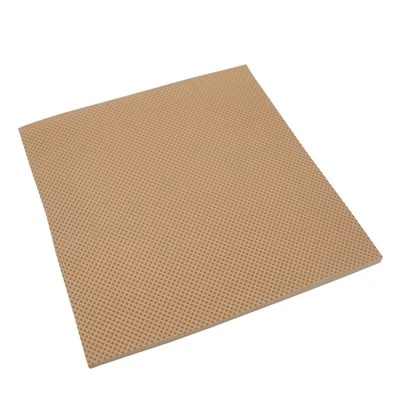
First, let’s start with what EVA actually is, because most people don’t realize it’s not a one-size-fits-all plastic. Ethylene Vinyl Acetate is a closed-cell foam material, which means its cells are sealed, trapping air inside rather than letting liquid or moisture seep in. That’s why it’s the go-to for play mats, yoga blocks, and even some water sports gear. Closed-cell foam’s insulation is a big part of why it works for sleeping too: it creates a barrier between your body and cold floors, concrete, or damp grass, which is non-negotiable for a good night’s sleep (or even a 20-minute afternoon nap). Open-cell foam, like memory foam, absorbs moisture and compresses over time, so it’s terrible for this use. But not all EVA is made the same way.
I’ve seen this firsthand from testing different batches for our own products. Our basic EVA play mats, which are usually 10mm thick, are designed for toddlers to crawl and play on— they’re thin, lightweight, and affordable, but they won’t cut it as a sleeping mat for adults. I once tried napping on one of our basic 10mm mats on a cold basement floor, and after 45 minutes, my lower back ached so bad I had to get up. The thin foam compresses too much under your body weight, and the closed-cell air pockets don’t provide enough cushioning or insulation for extended use. That’s a key point: thickness matters a lot here. If you’re only using it for a quick nap on a carpeted surface, a thin basic mat is fine, but for sleeping, you need a mat that’s at least 15mm thick, and ideally 20mm if you’re an adult or heavier person.
Another big factor: density. EVA foam density is measured in kilograms per cubic meter (kg/m³), and it’s the difference between a mat that lasts two weeks and one that lasts five years. Our high-density EVA play mats, which we use for commercial playgrounds and kids’ activity centers, have a density of around 180 kg/m³. That’s stiffer, more durable, and compresses much less under weight. We had a customer reach out last year who used our 20mm high-density EVA mats for a month of overnight camping trips with his family. He told us it worked way better than the thin, cheap sleeping pads he’d bought from a big box store— it didn’t get soggy when it rained, didn’t leave him with a stiff neck, and was light enough to carry in his backpack. The low-density mats (under 150 kg/m³) are softer but wear out fast, so they’re not good for sleeping more than a few times.
Now, let’s talk about the pros that make EVA play mats a great sleeping mat option for the right people. First, portability. Unlike bulky memory foam or inflatable sleeping pads, EVA mats don’t need to be blown up or rolled tight— most of them can be folded or even snapped together like puzzle pieces. We’ve had college students use our large interlocking EVA mats to create a temporary sleeping area in their dorm rooms when their roommate has a friend stay over; they can be put together in 2 minutes, and taken apart just as fast, with no messy air valves to fumble with. For camping, that’s a huge win too— no pump, no risk of a pinhole leak (another problem with inflatable pads), and they dry super fast if they get wet. I left one of our EVA mats outside in a light rain last year, and it was completely dry by the next morning, ready to fold up and go.
Moisture resistance is another massive pro. If you’re sleeping on a damp basement floor, a regular cotton sleeping bag or a foam pad will soak up moisture, leaving you cold and uncomfortable by midnight. Closed-cell EVA repels water, so even if the floor under it is damp, your side of the mat stays dry. We tested this with a quick experiment last quarter: we placed our 20mm EVA mat on a concrete floor that had a thin layer of water from a leaking pipe, slept on it overnight, and when we peeled it back in the morning, the underside of the mat was completely dry, and there was no puddle under it. That’s a game-changer for people who live in old homes with damp floors, or camp in areas with high morning dew.
But we can’t ignore the limitations, because that’s where a lot of confusion comes in. First, temperature: EVA insulation works for cool or mild temperatures, but it’s not as good as a closed-cell sleeping pad rated for sub-freezing weather. I tried sleeping on our EVA mat in 35°F weather at a campsite last winter, and while it was warmer than sleeping directly on the ground, I was still cold enough to need an extra fleece blanket. If you’re car camping in warm weather (60°F and up), that’s not an issue, but for winter use, EVA isn’t the best choice. Second, firmness: even the thickest EVA mat is firmer than a regular sleeping pad, so if you’re a side sleeper who needs extra cushioning for your hips and shoulders, you might find it uncomfortable after a few hours. We recommend pairing it with a thick sleeping bag liner or a thin blanket to add a little give, which fixes that issue for most people. Third, off-gassing: this is a big one for people who use EVA mats indoors. New EVA products can have a slight chemical smell when they’re first unpacked, which is caused by manufacturing residues. We always tell customers to unroll their new EVA mat for 24-48 hours before using it, and air it out in a well-ventilated area if the smell is strong. We’ve had complaints from people who tried to use a new mat right away in their bedroom, woke up with headaches, but after airing it out, the smell was gone and they had no issues.
Now, let’s talk about when EVA play mats are the perfect choice, vs. when you should look elsewhere. If you’re needing a temporary sleeping solution for guests, a nap mat for your kid’s sleepovers, a camping mat for warm weather trips, or a floor mat for your home office where you occasionally crash after a late night, EVA is ideal. It’s affordable— our 20mm EVA mats cost a third of what a good inflatable sleeping pad costs, which is a huge plus for people who don’t want to spend $100+ on a mat they’ll only use a few times a month. If you’re a regular camper who goes in cold weather, or if you have back problems that require extra cushioning, EVA might not be your best bet. In that case, we’d recommend a high-quality inflatable pad with a thicker topper, but for occasional use, it’s hard to beat EVA’s value.
As a supplier, I’ve adjusted our product lines over the years based on these questions, because so many customers come to us with this exact need. We started out making only basic 10mm play mats for homes, but now we have a line of 15mm and 20mm high-density EVA mats specifically marketed as “multipurpose” for both play and sleeping. We also sell smaller, single-piece EVA mats (instead of just interlocking tiles) for people who want a portable option for travel, and we add soft non-slip bottoms to the mats that people use for sleeping on hardwood or tile floors, so they don’t slide around overnight. One of our best-selling products right now is the 20mm thick, 6-foot long EVA sleeping mat— it’s big enough for an adult, rolls up easily to fit in a carry-on, and works equally well for a kid’s playroom or a weekend camping trip. We even had a customer who used them for a group sleepover at a museum event last summer— they set up 10 of our mats in a large room, and said it was the most comfortable part of the trip.
I also want to share a few common mistakes people make when using EVA play mats as sleeping mats. First, not cleaning them regularly— even though EVA is water-resistant, dirt and sweat can build up on the surface over time, which can cause odors or even mold if it’s trapped between the mat and the floor. We recommend wiping your mat down with a mild soap and water after each use, and letting it dry completely before rolling it up to store. Second, using it on an uneven surface— even a small bump under the mat can make it uncomfortable, so if you’re using it on a campsite, pick a flat spot, or lay a thin tarp under the EVA mat to smooth out small rocks. Third, overcompressing it for storage— EVA foam lasts longer if you fold it loosely (instead of rolling it tightly for long periods) when you’re not using it. Tight rolling can break down the air pockets over time, reducing its insulation and cushioning.
At the end of the day, the answer to “Can EVA play mats be used as a sleeping mat?” is a resounding yes— with the right expectations. It’s not a replacement for a high-end camping pad if you’re climbing a mountain in freezing temperatures, but it’s a versatile, affordable option for anyone needing a temporary or occasional sleeping surface. As someone who’s worked with EVA mats for years, I’ve seen them turn into everything from dorm sleeping solutions to emergency backup mats for natural disasters, and that flexibility is what makes them so valuable.

If you’re interested in exploring EVA play mats or multipurpose sleeping mats for your home, camping, or business, we’d love to help you find the right product for your needs. We offer custom sizes and thicknesses, bulk pricing, and can answer any questions you have about suitability for your specific use case. Reach out to our sales team to start a conversation.
EVA Foam References
- Consumer Product Safety Commission. (2021). Foam Play Mat Safety: Insulation, Durability, and Indoor Use.
- Outdoor Industry Association. (2022). Closed-Cell Foam for Recreational Use: Performance and Maintenance Guidelines.
- Journal of Environmental Health. (2020). Volatile Organic Compound Emissions from Ethylene Vinyl Acetate (EVA) Foam Products: Mitigation Strategies for Indoor Use.
- American Academy of Pediatrics. (2019). Multipurpose Flooring for Children’s Active Play and Temporary Sleep Use.
Quanzhou Firefox New Material Co., Ltd.
As one of the most professional eva play mat suppliers in China, we have world-leading production equipment and strong manufacturing capabilities. Please rest assured to wholesale premium eva play mat at competitive price from our factory. Customized orders are welcome.
Address: Room 1901, Xiamen Bank Quanzhou Branch Building, No. 102 Binhai Street, Fengze District, Quanzhou City, Fujian Province, China
E-mail: marketing@firefoxfoam.com
WebSite: https://www.firefox-foam.com/
